
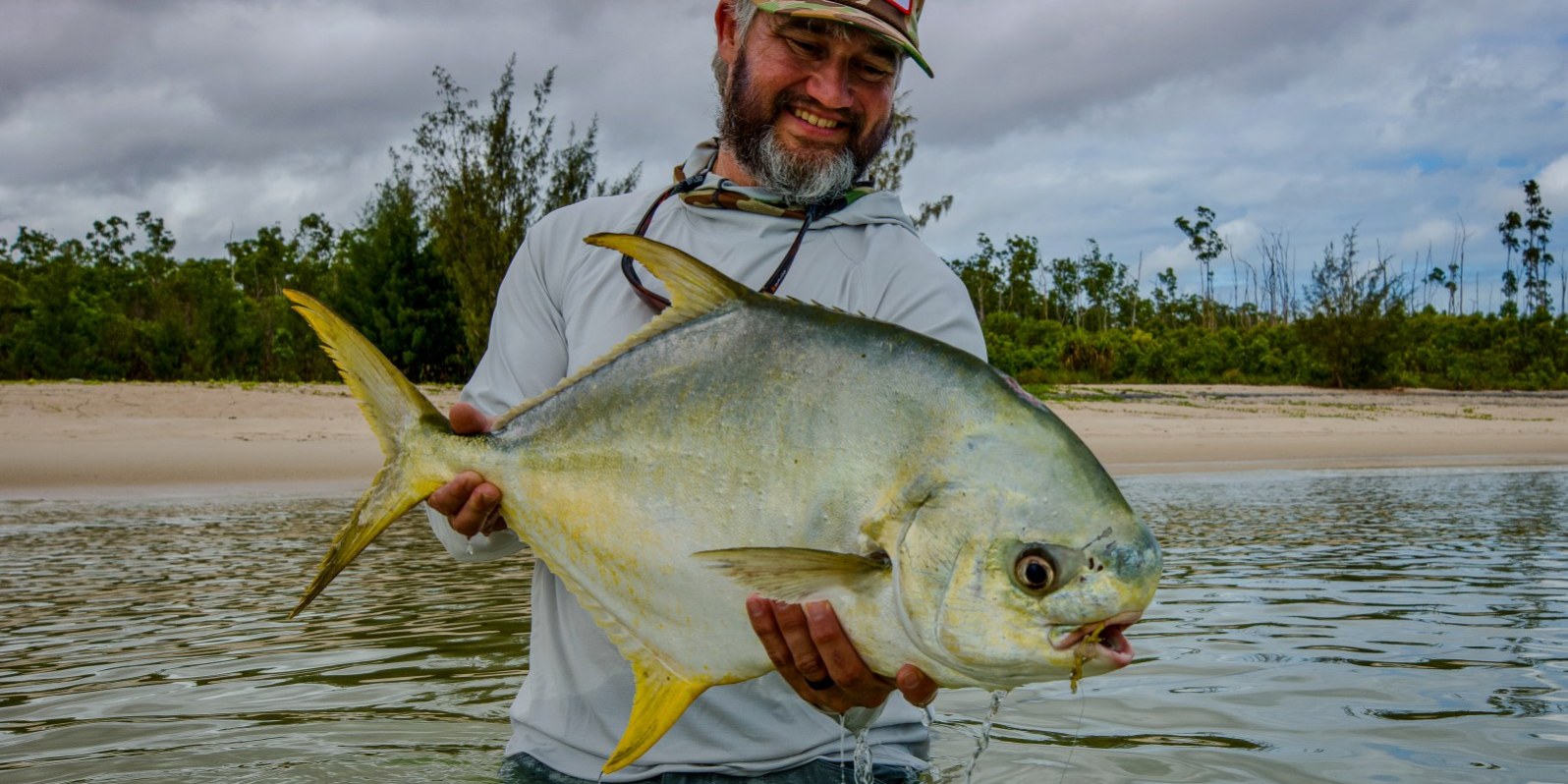
Cape York Lodge – Aussie Fly Fisher – October 5th – 12th:
For years, I had heard stories about the wild frontier of Cape York Peninsula — a place spoken about in hushed tones among dedicated saltwater fly anglers. Tales of untouched flats with very little angling pressure, aggressive fish, incredible species diversity, crocodile-lined estuaries, and endless wilderness painted the picture of the next great saltwater fly-fishing frontier. As a passionate fly angler in constant pursuit of truly wild places and new experiences, I could hardly contain my excitement to experience this raw, remote, and completely unspoiled fishery, where nature still exists entirely on its own terms in the Land Down Under.
Positioned between the Indian and Pacific Oceans, Australia boasts more than 30,000 miles of fishable coastline and an incredible diversity of fly-fishing opportunities. With plenty of room to roam, Australia offers something increasingly rare in modern fly fishing — vast, untouched water and endless opportunities for exploration by adventurous anglers.
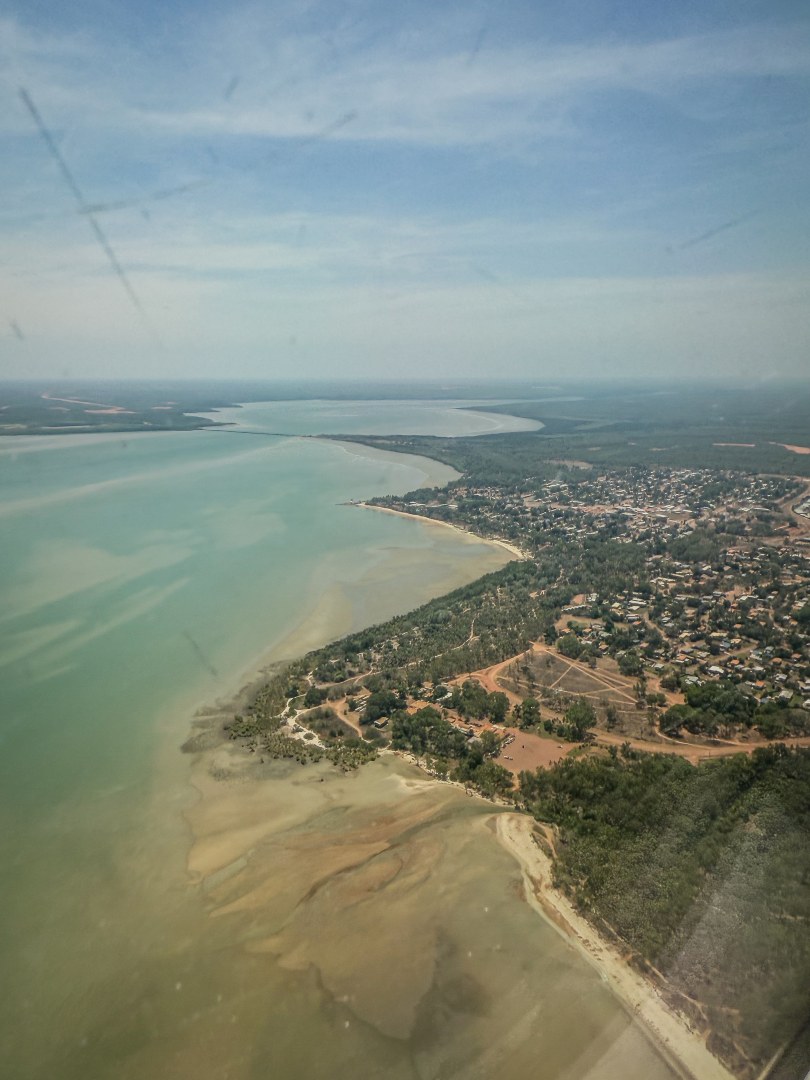
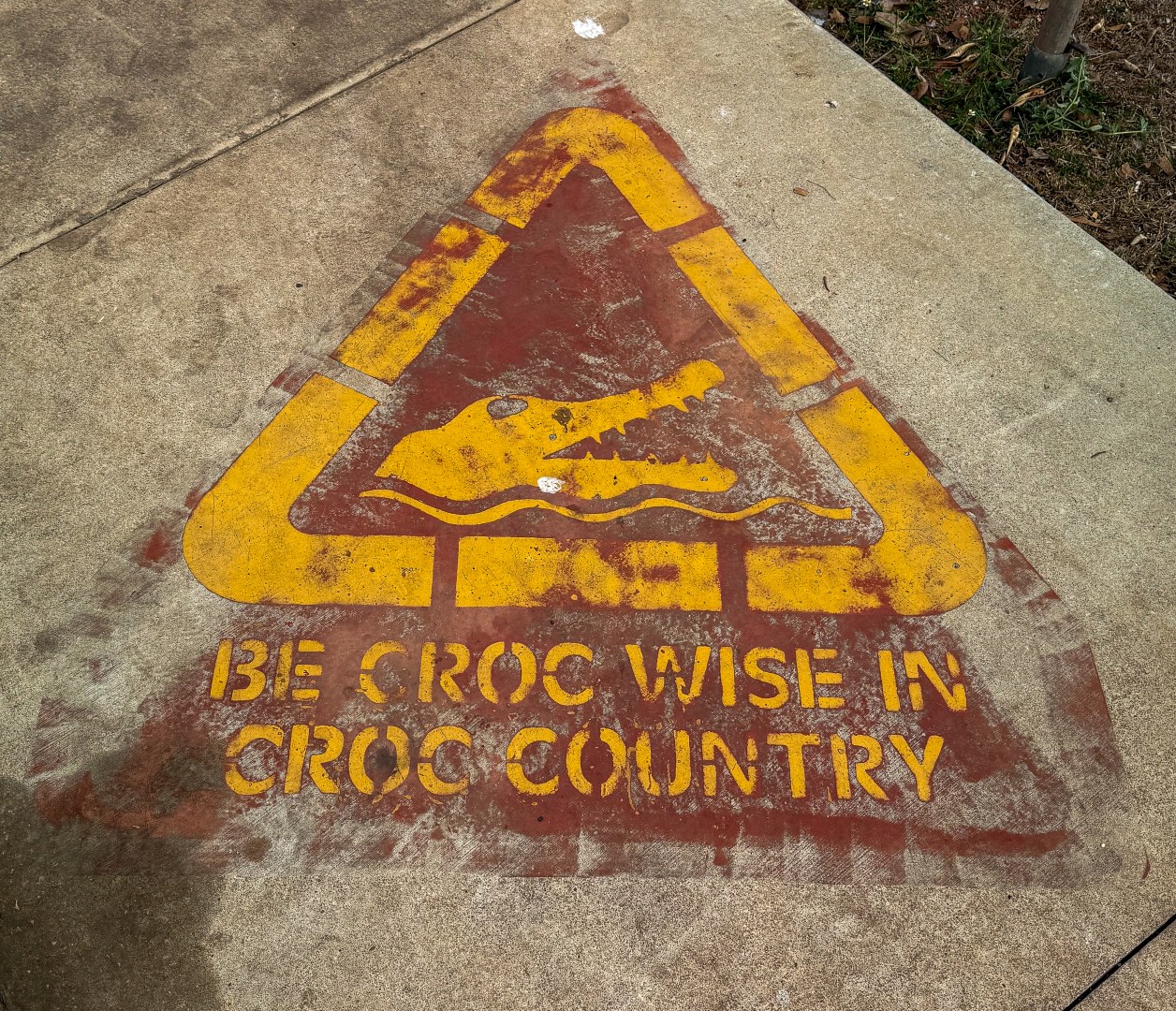
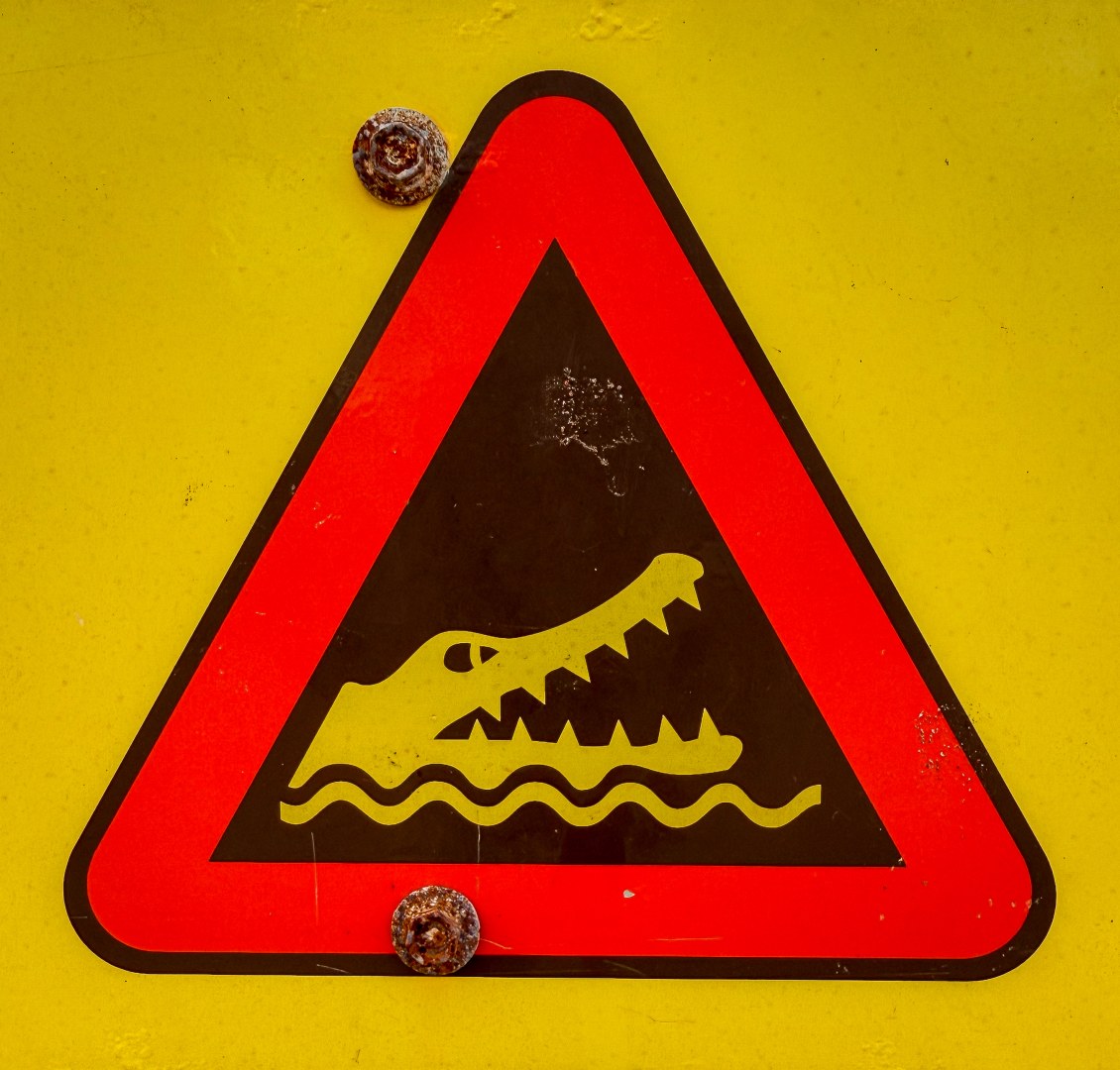
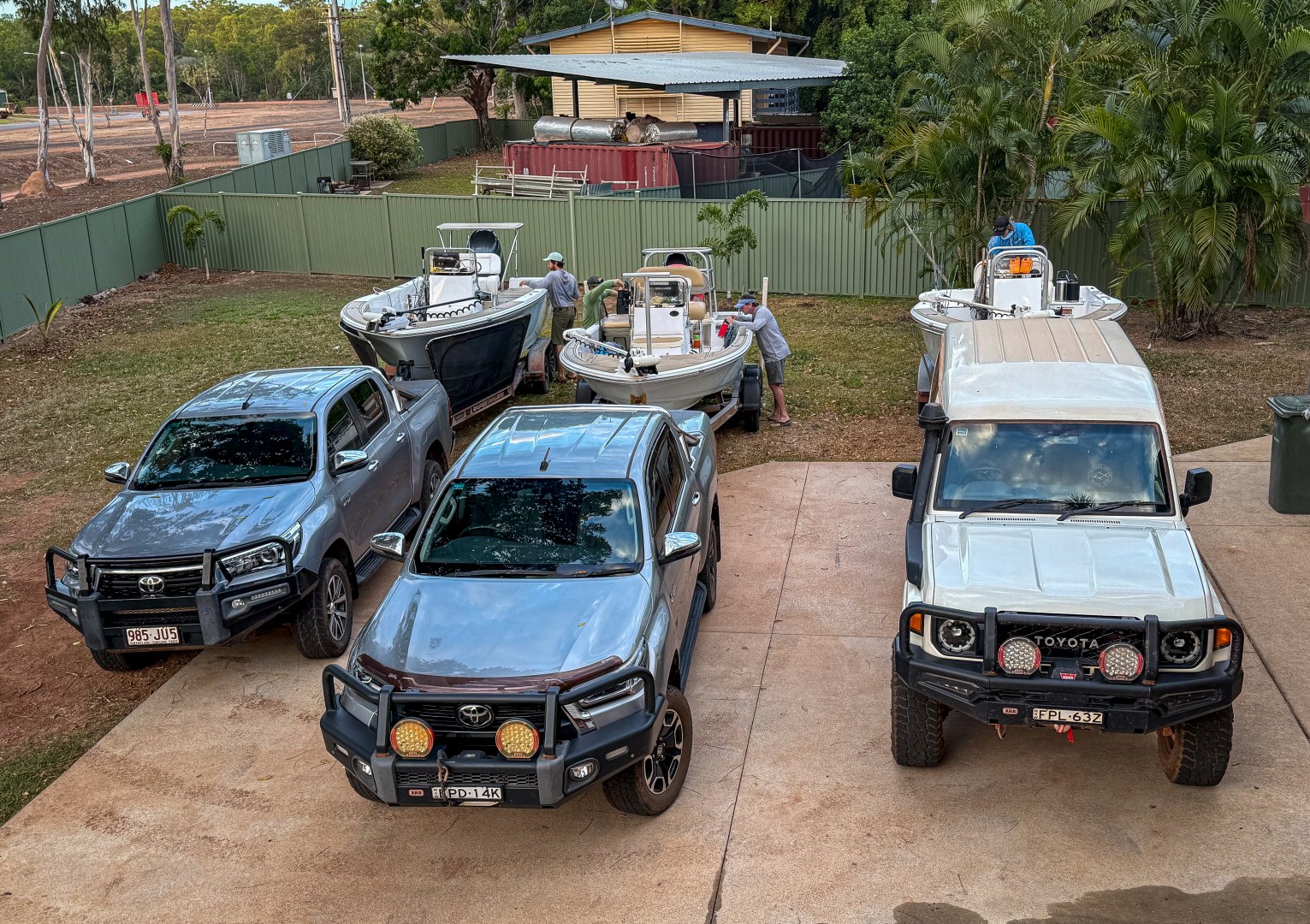
Cape York Peninsula lies at the northernmost tip of Australia, across the Torres Strait from Papua New Guinea. It is a remote and rugged wilderness reached by endless red dirt roads, river crossings, and the occasional kangaroo wandering across the track. This is a land of extreme wildlife — crocodiles, stingrays, and some of the world’s most venomous snakes.
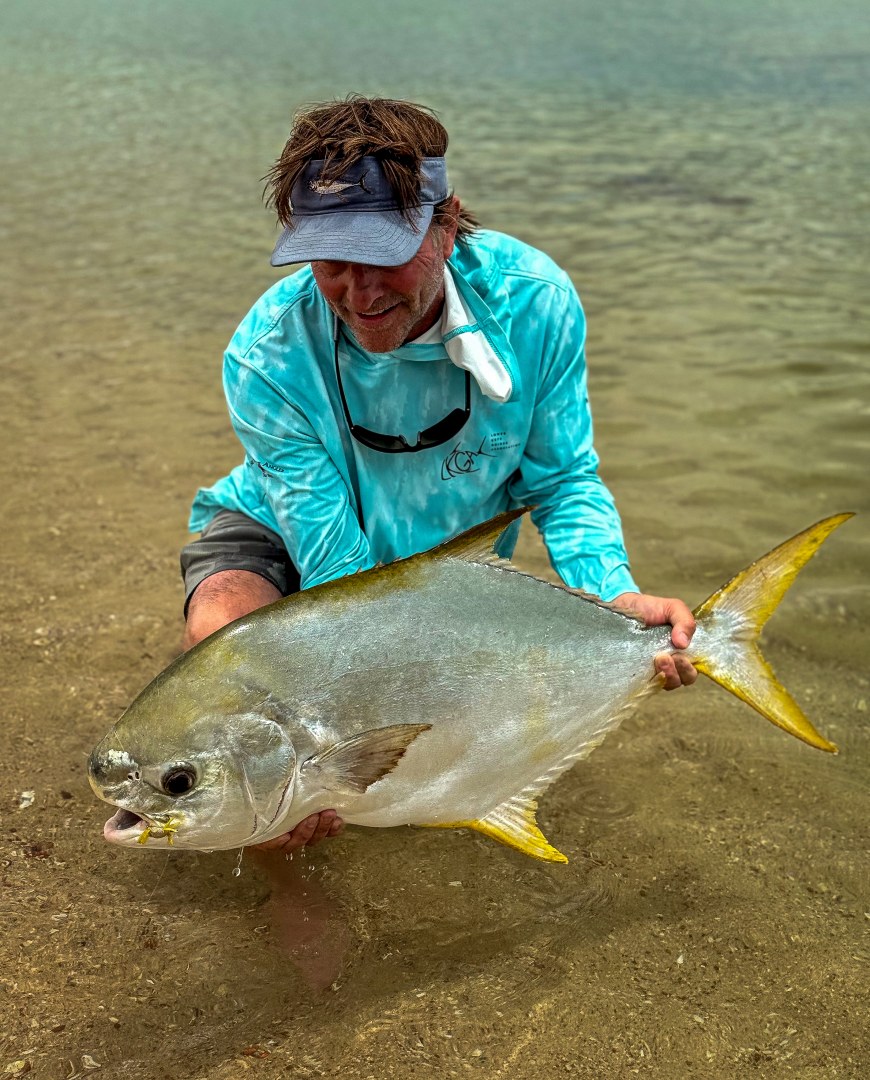
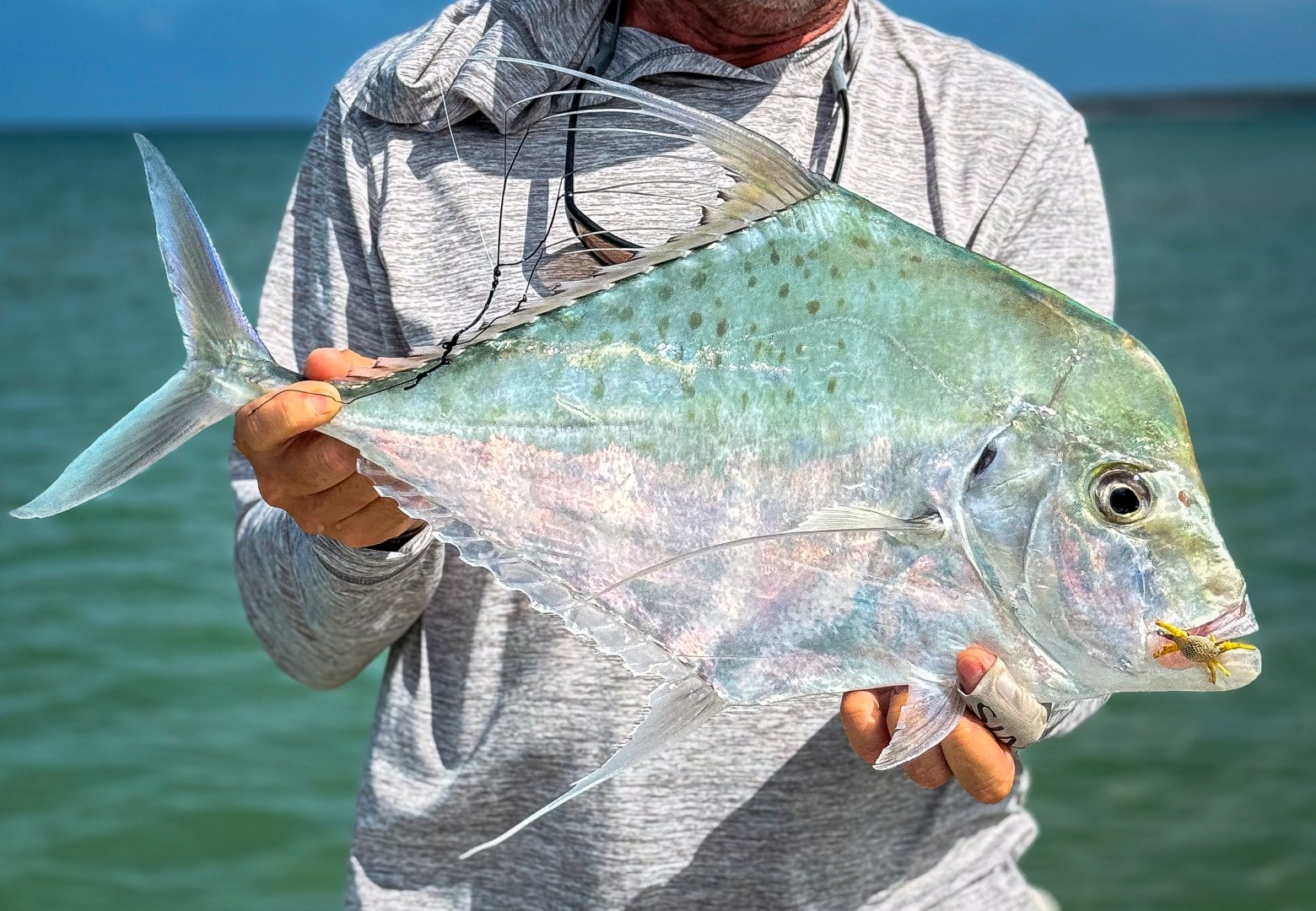
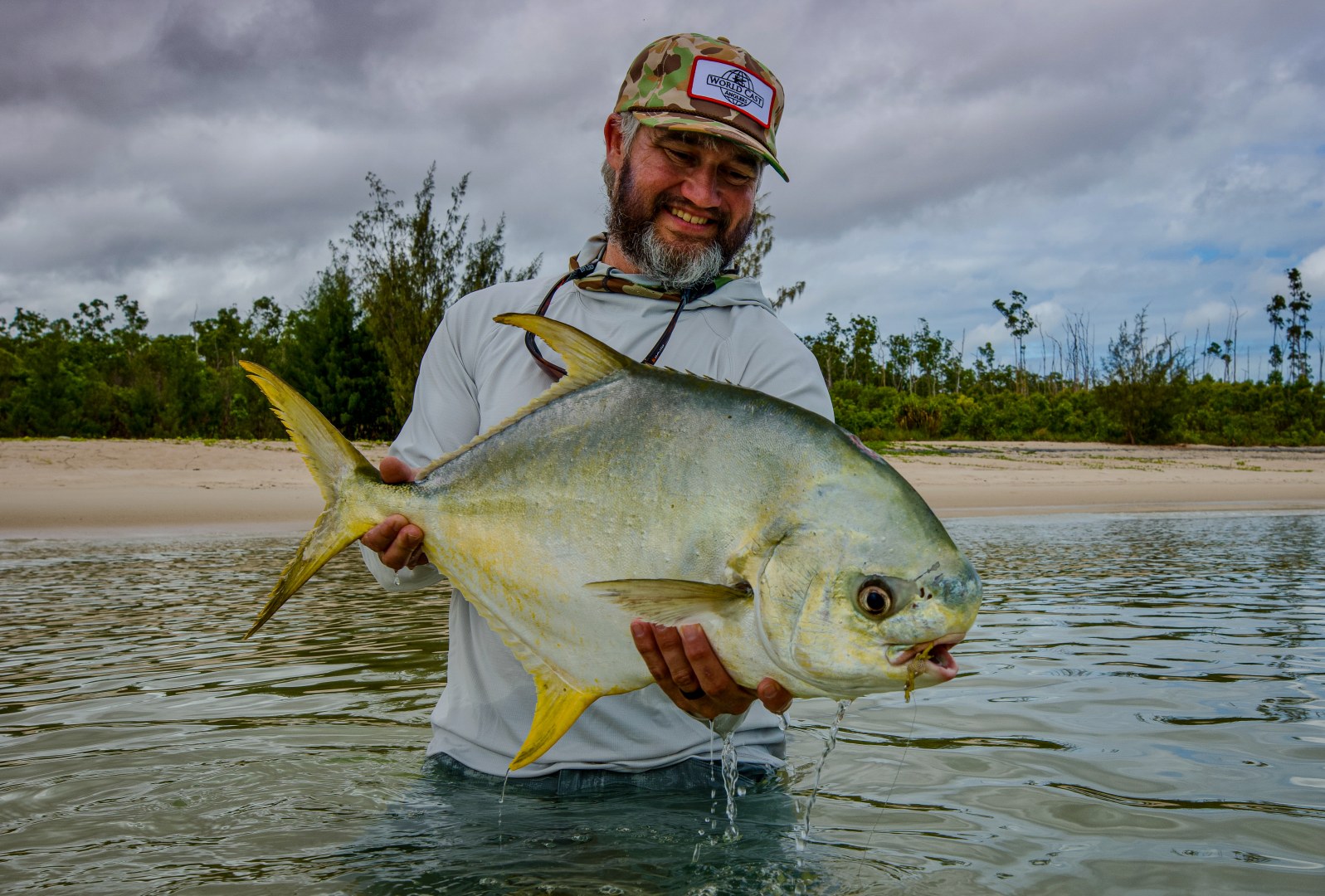
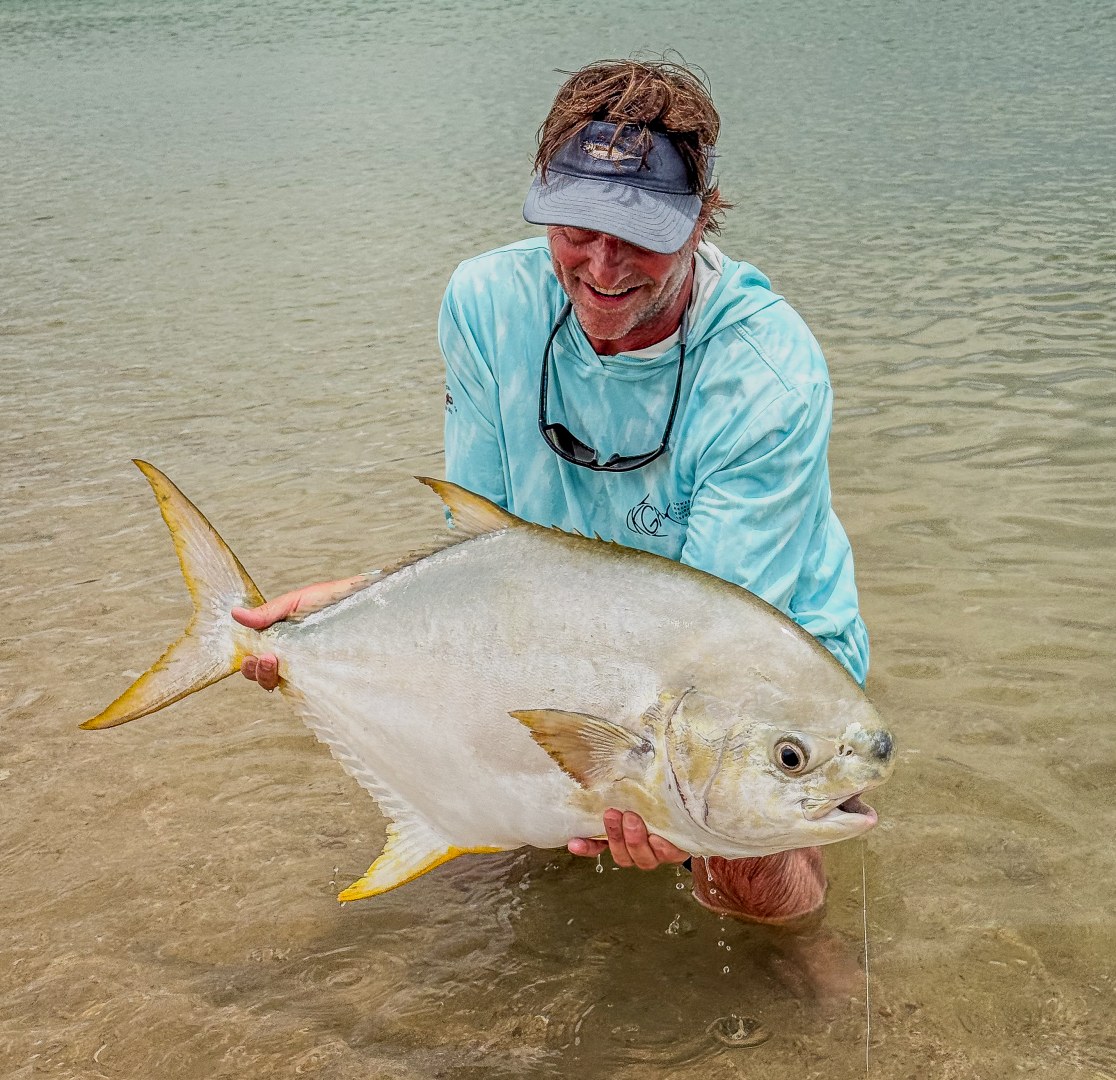
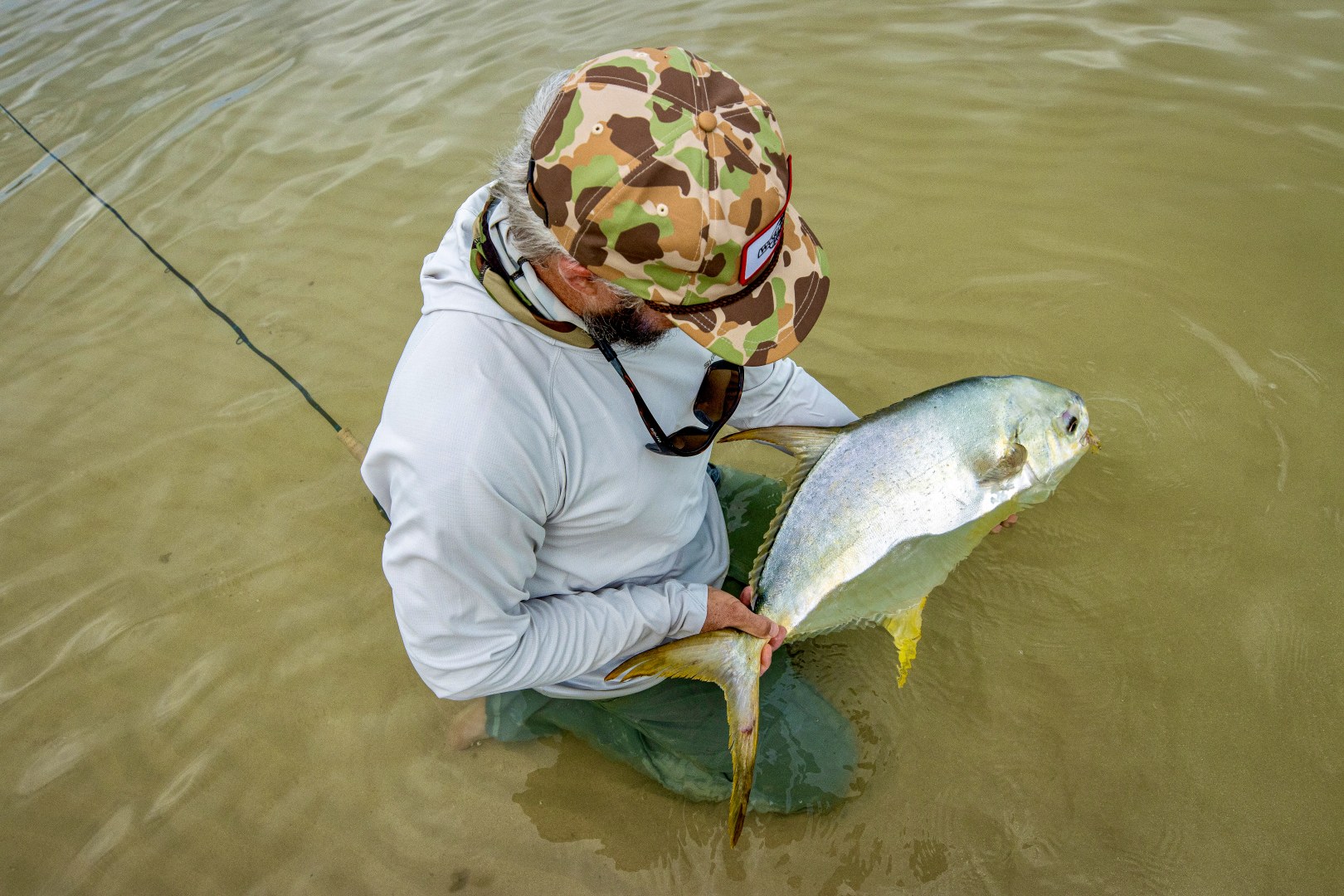
It is also home to the legendary Anak permit, and the crew at Aussie Fly Fisher Cape York Lodge has the experience, local knowledge, and skilled guides needed to find them.
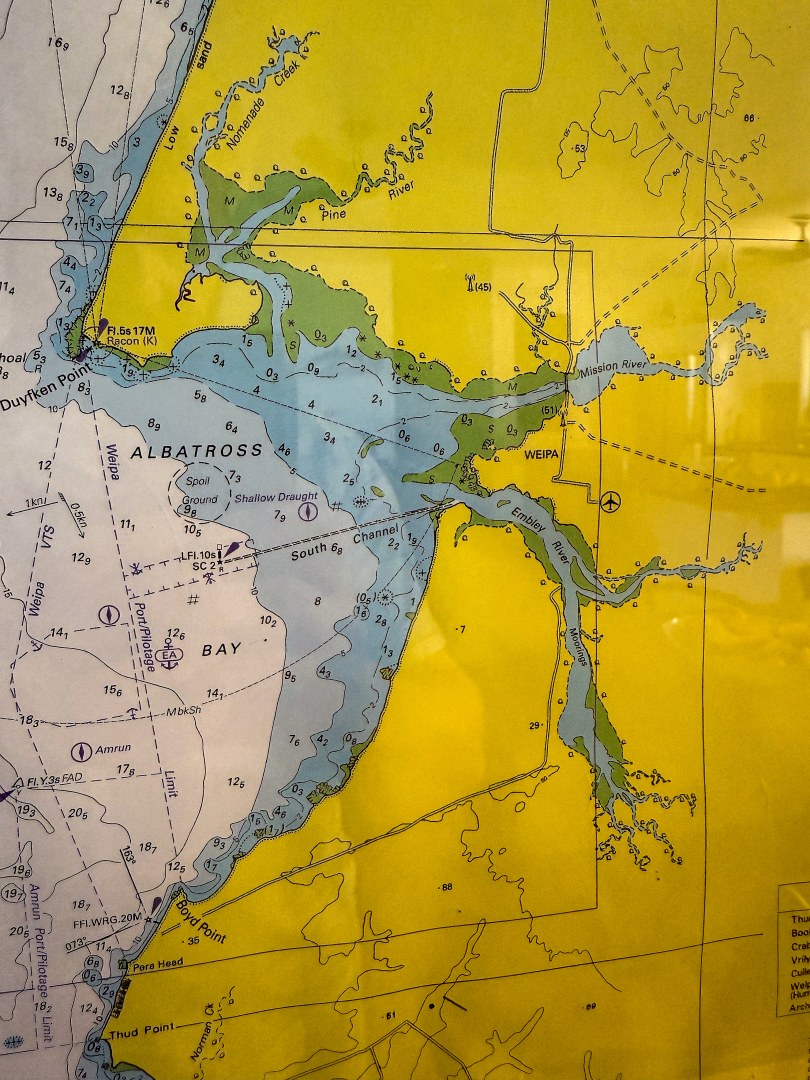
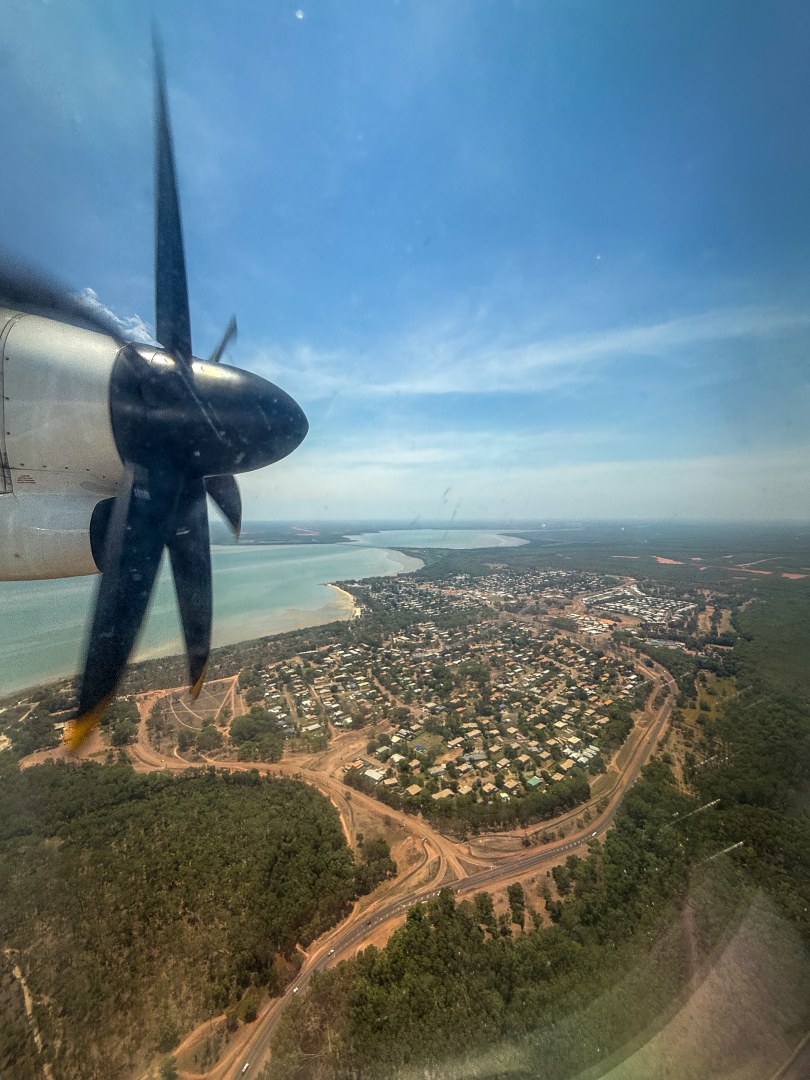
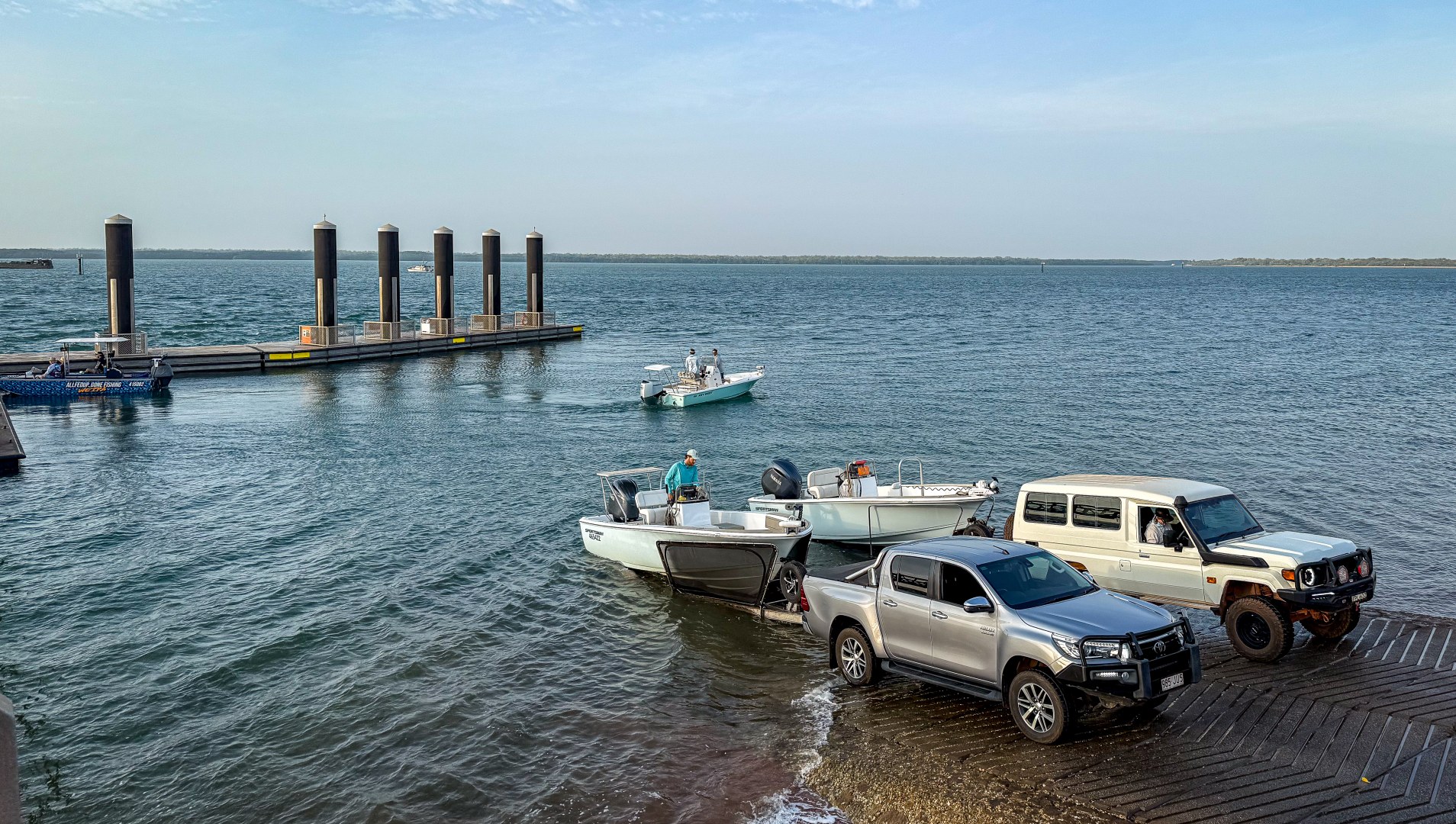
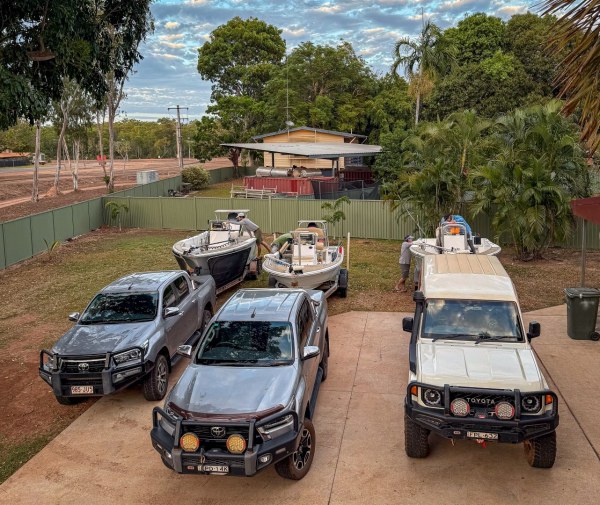
The end of our adrenaline-fueled, multi-day journey finally brought us to Weipa. Weipa is a remote coastal mining town on the western side of Cape York Peninsula, known as the gateway to some of Australia’s most untouched wilderness, incredible fishing, and vast tropical estuary systems. The town is also home to one of the world’s largest bauxite mining operations.
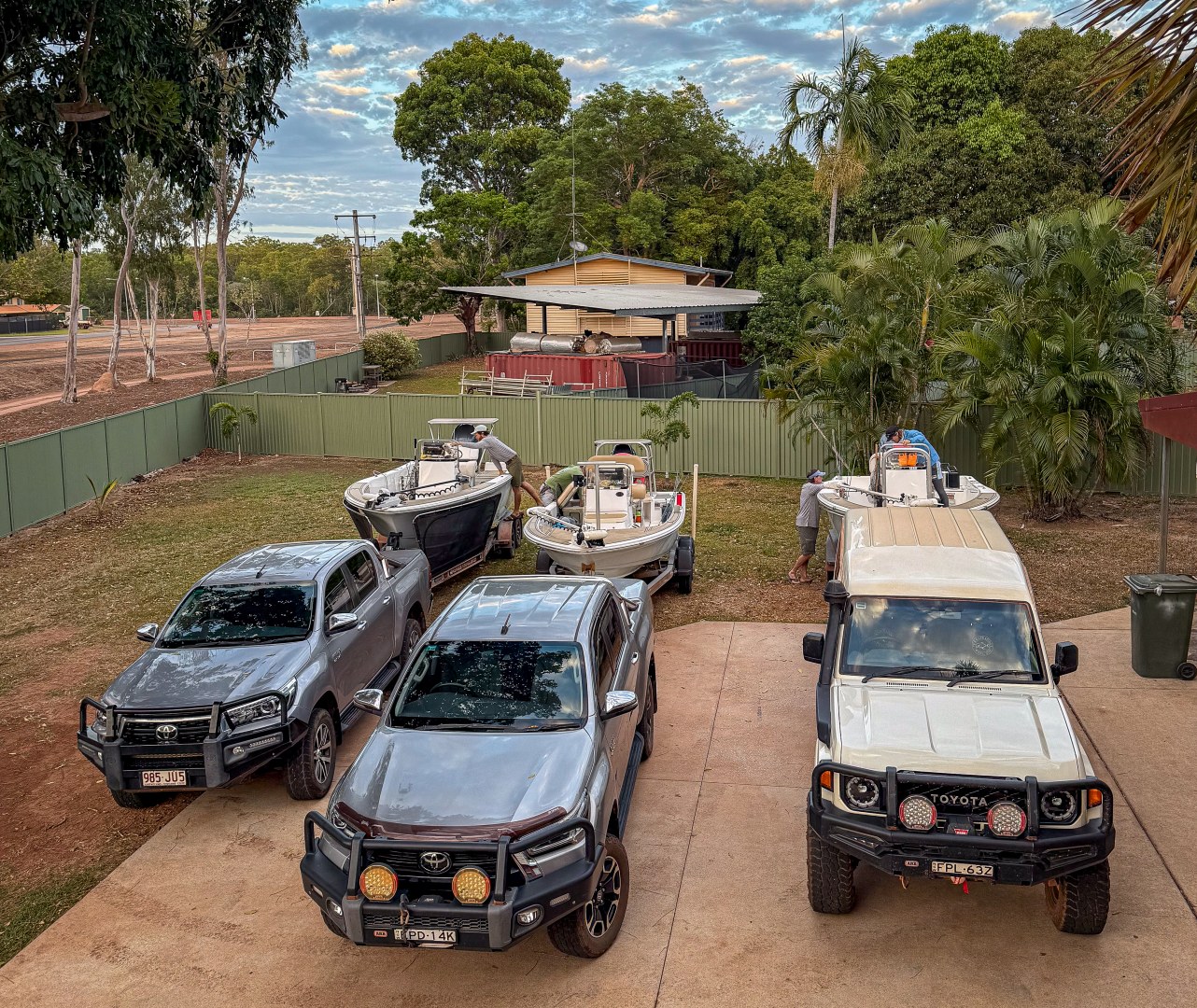
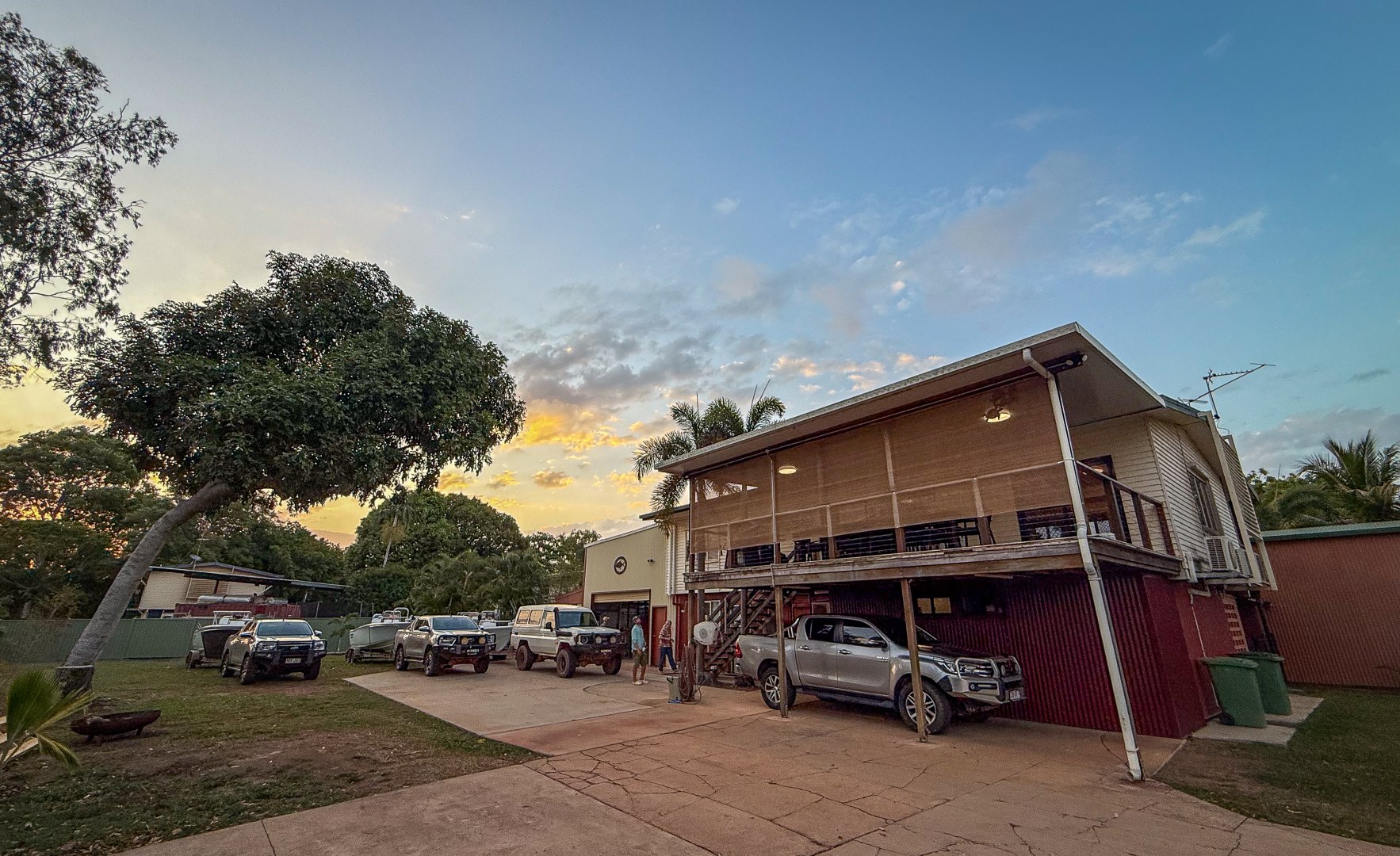
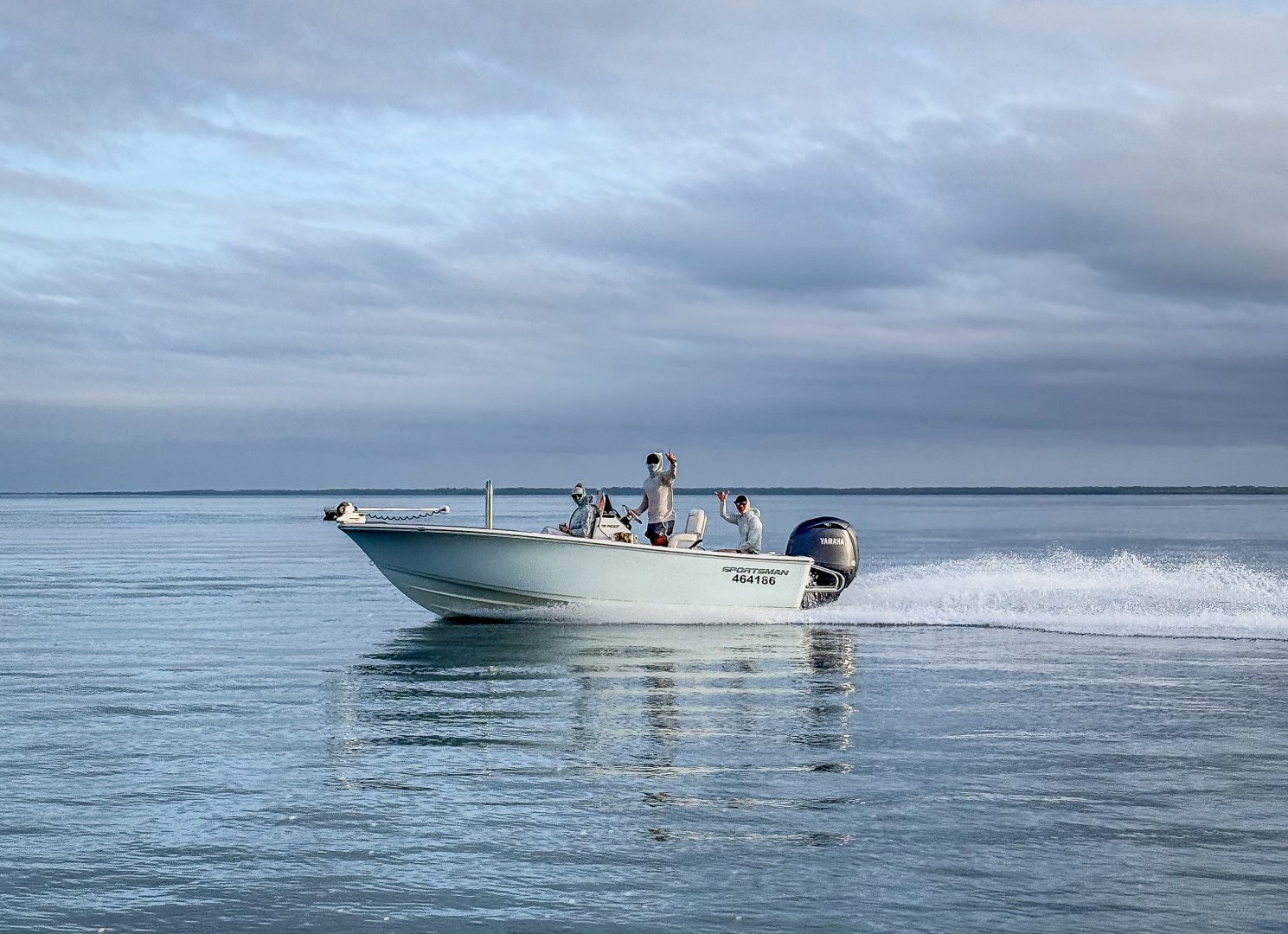
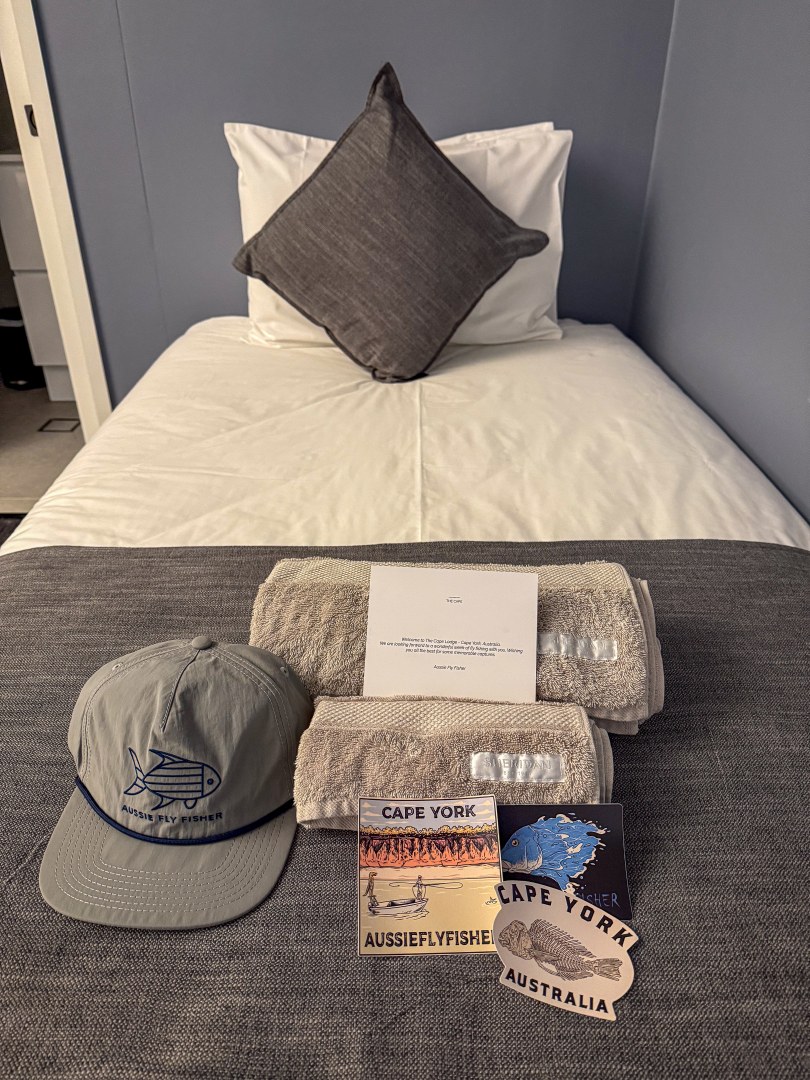
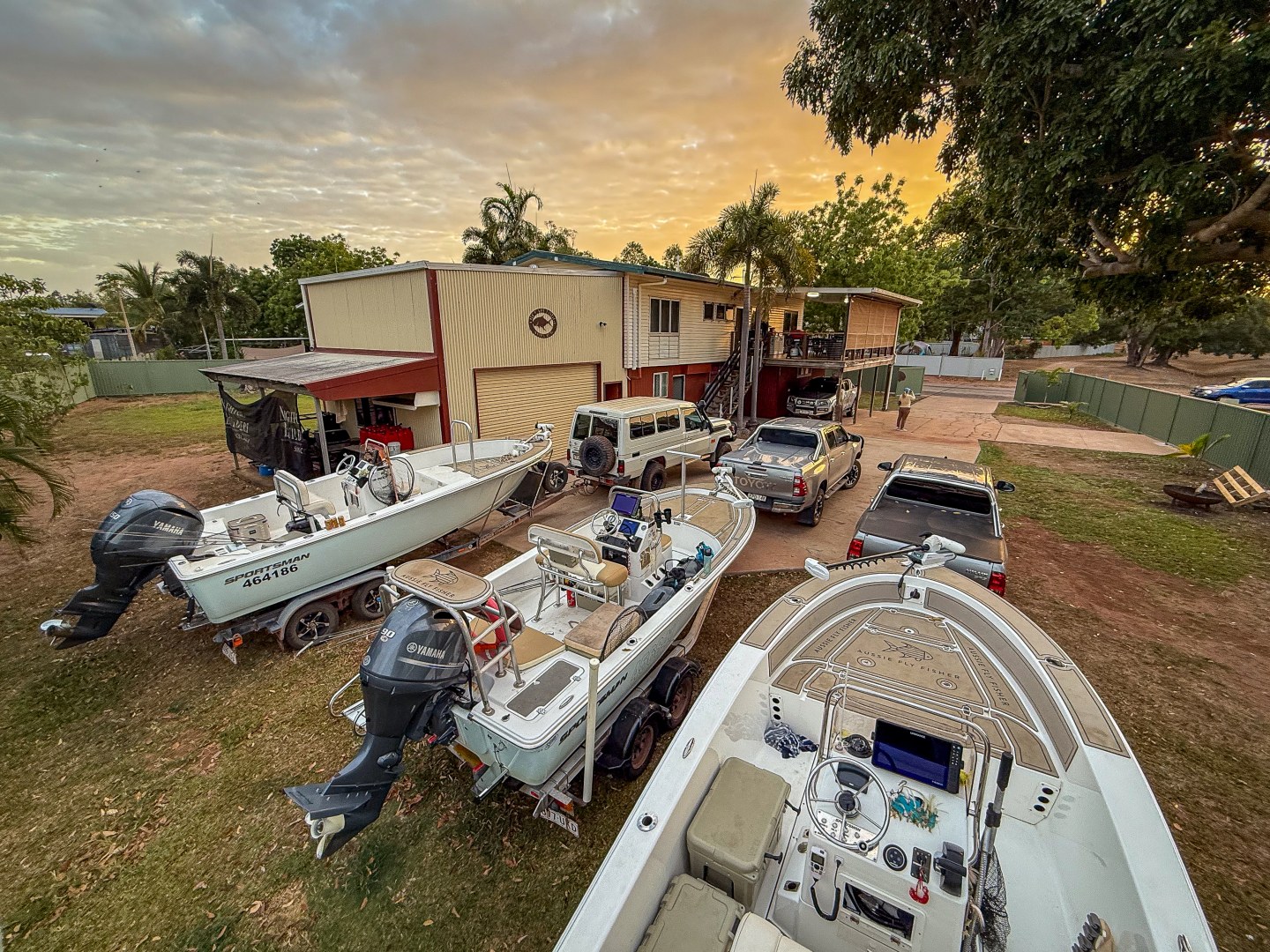
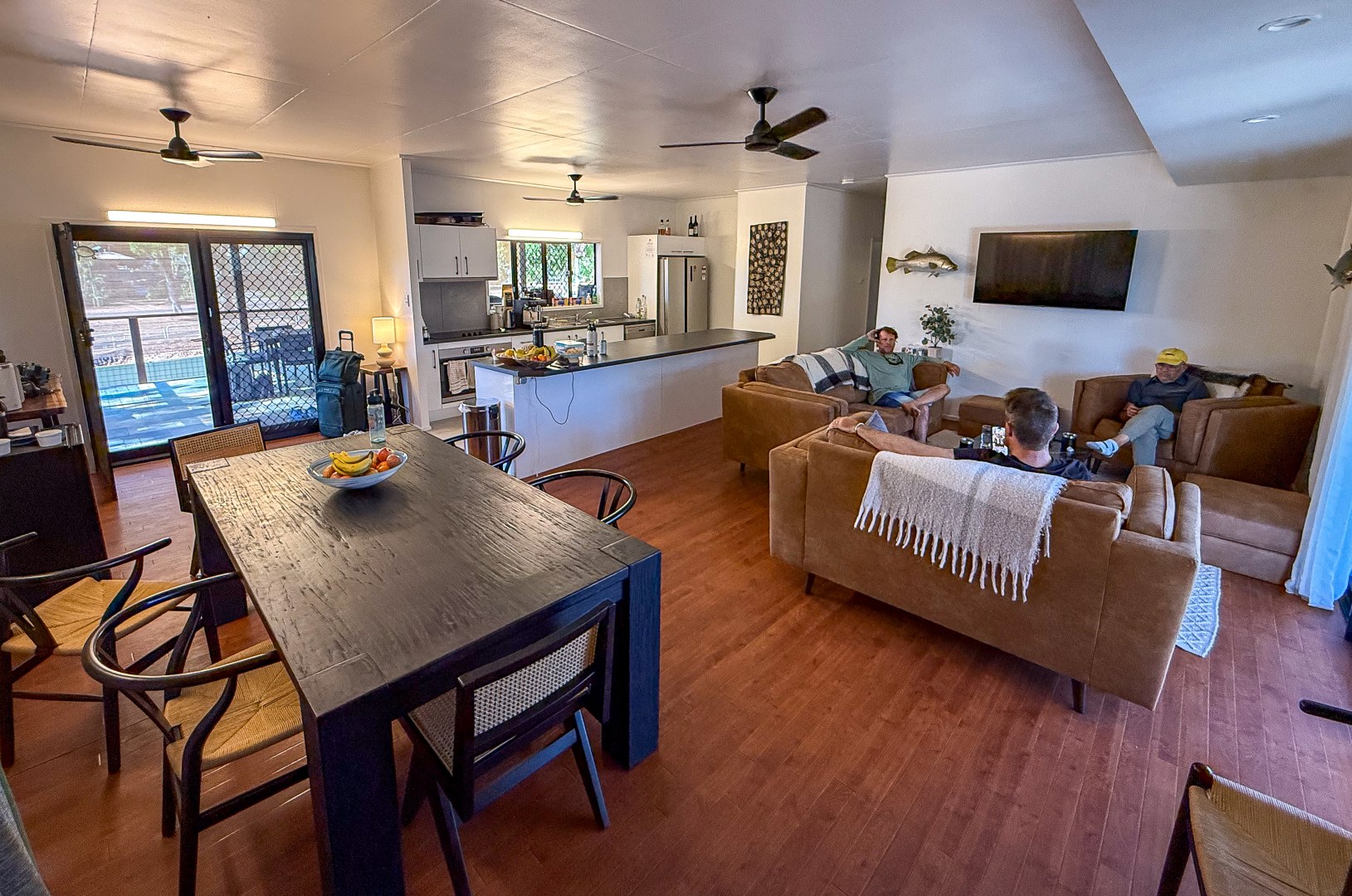
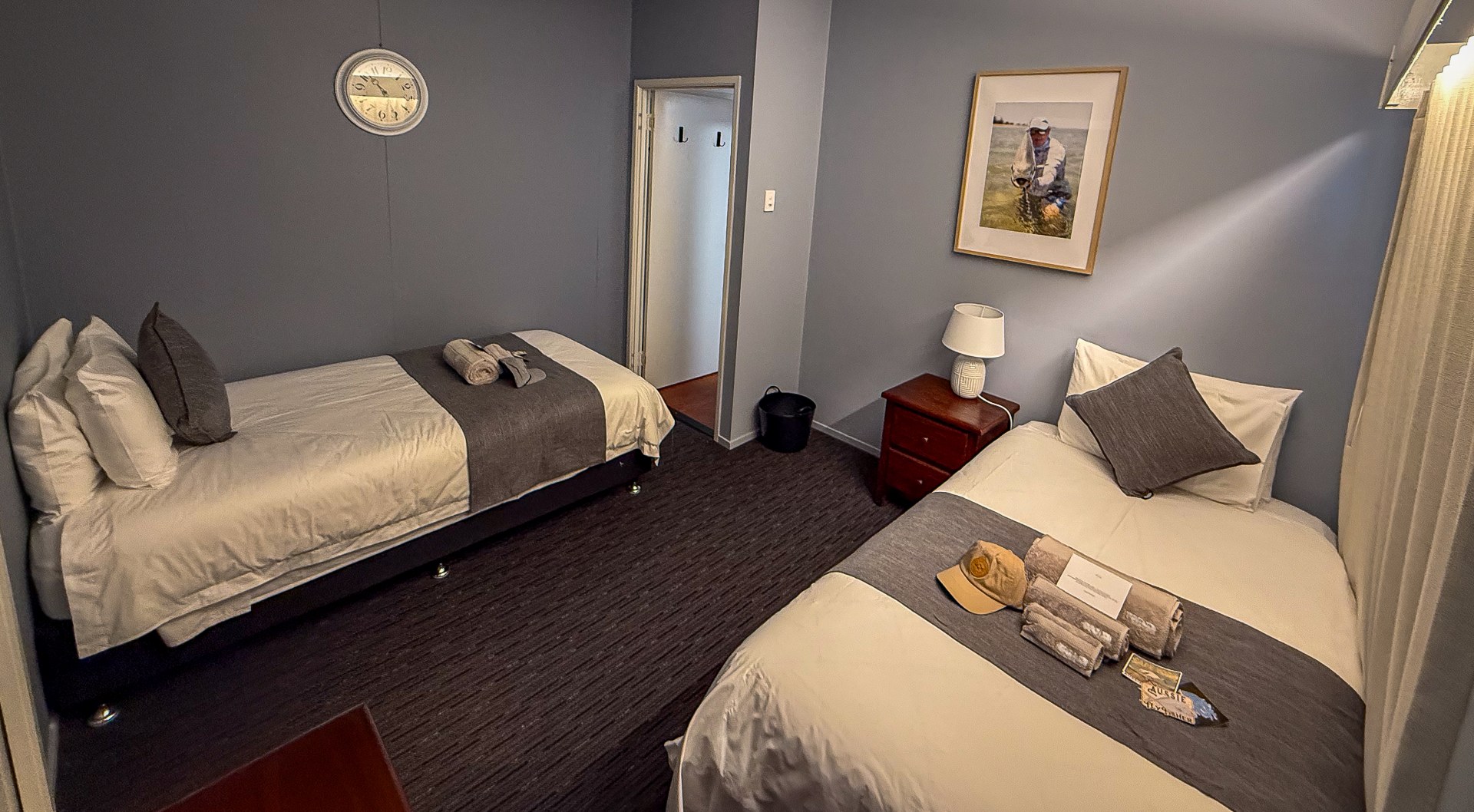
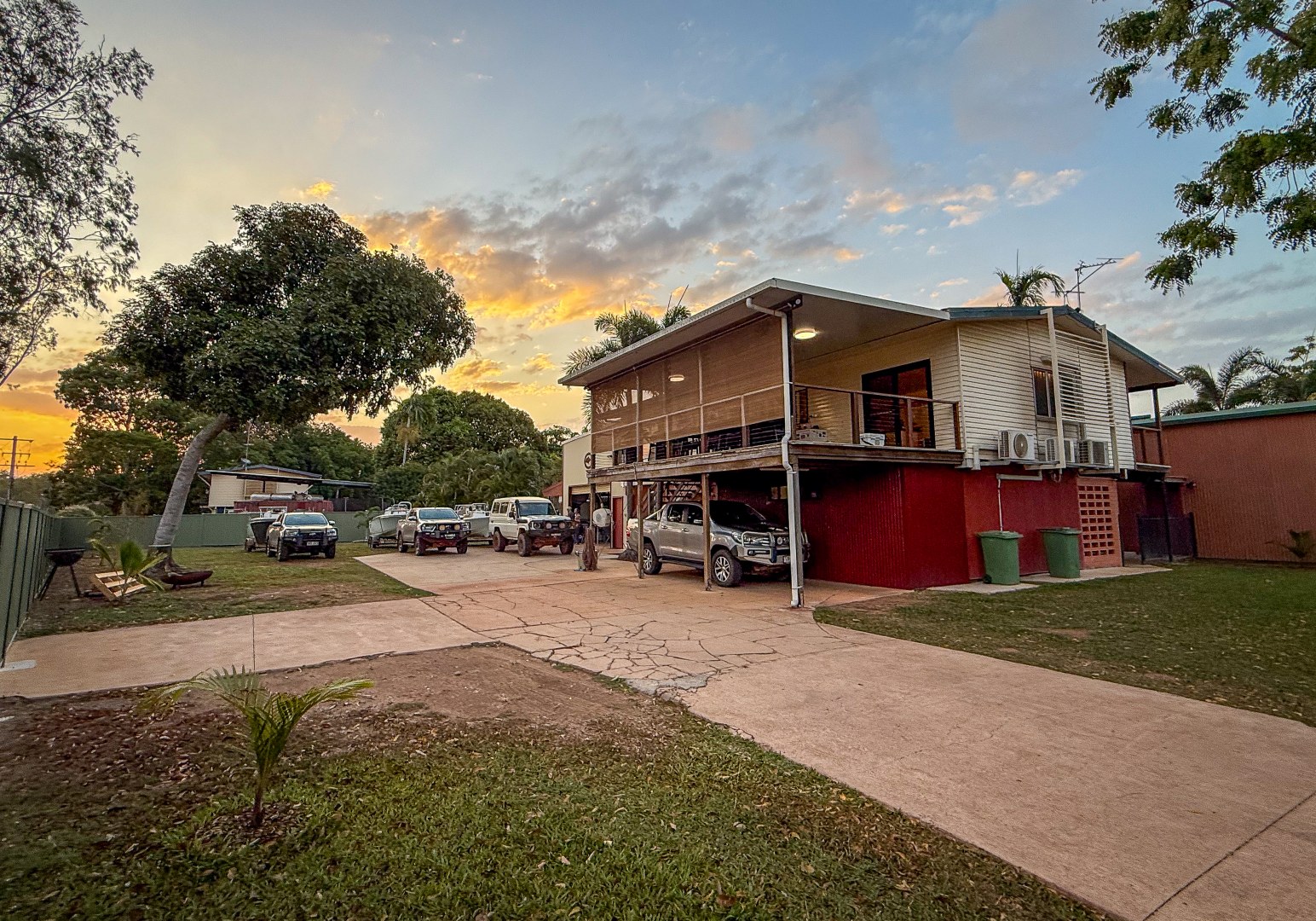
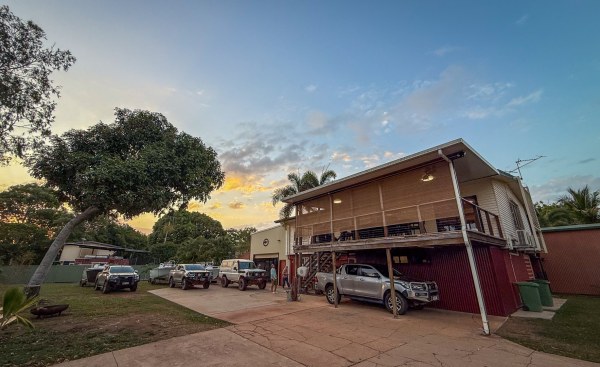
Aussie Fly Fisher Cape York Lodge served as the perfect comfortable and well-equipped basecamp for our adventure. The accommodations are designed specifically for traveling anglers, featuring comfortable air-conditioned rooms, ensuite options, spacious common living areas, gear-rigging stations, and easy access to daily fishing operations. The lodge had everything an angler could need — open space for casting practice, dedicated areas to rig rods and tie flies, and a small tackle shop stocked with essential gear in case anything was forgotten.
After long days on the water, the relaxed living area became the perfect place to unwind, swap stories, and even watch the Australian Rugby National Championship.
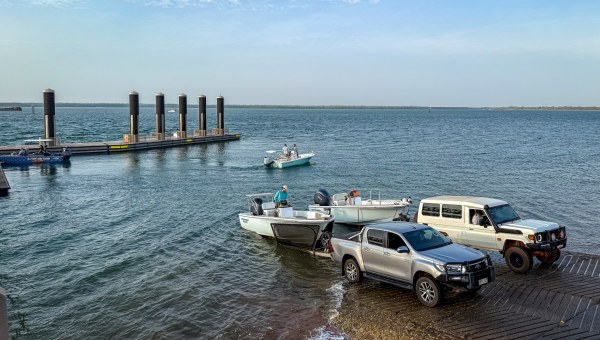
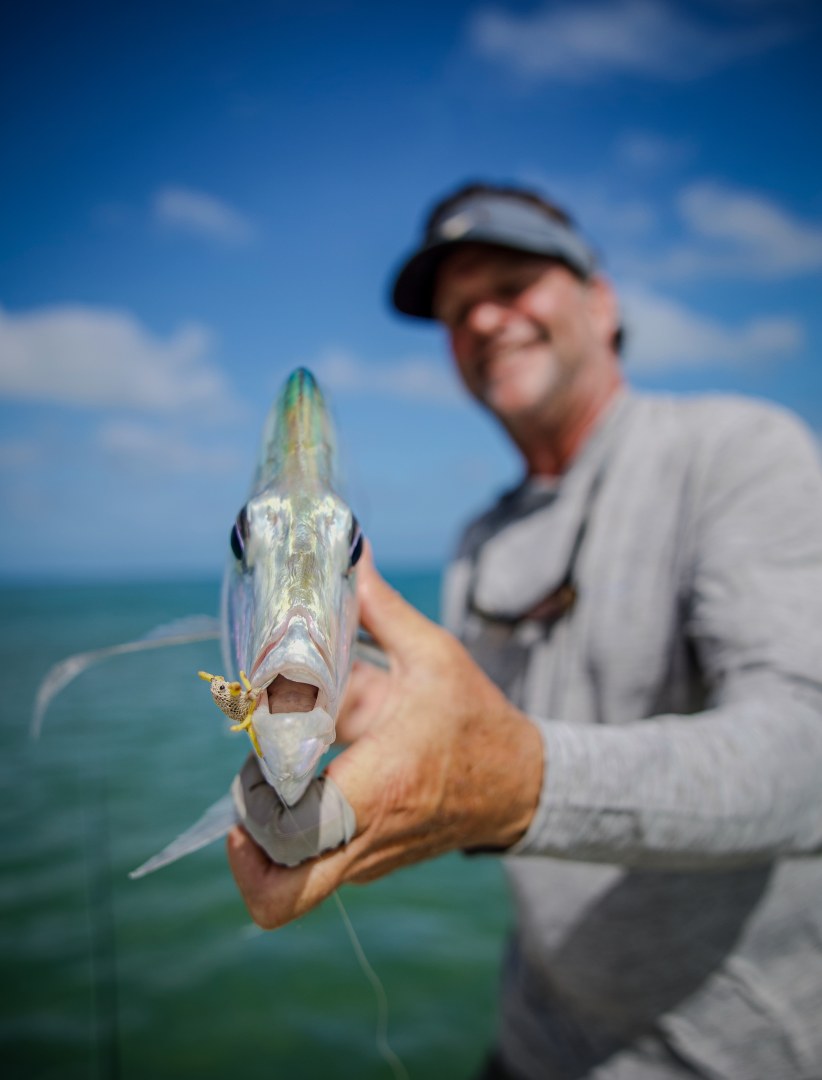
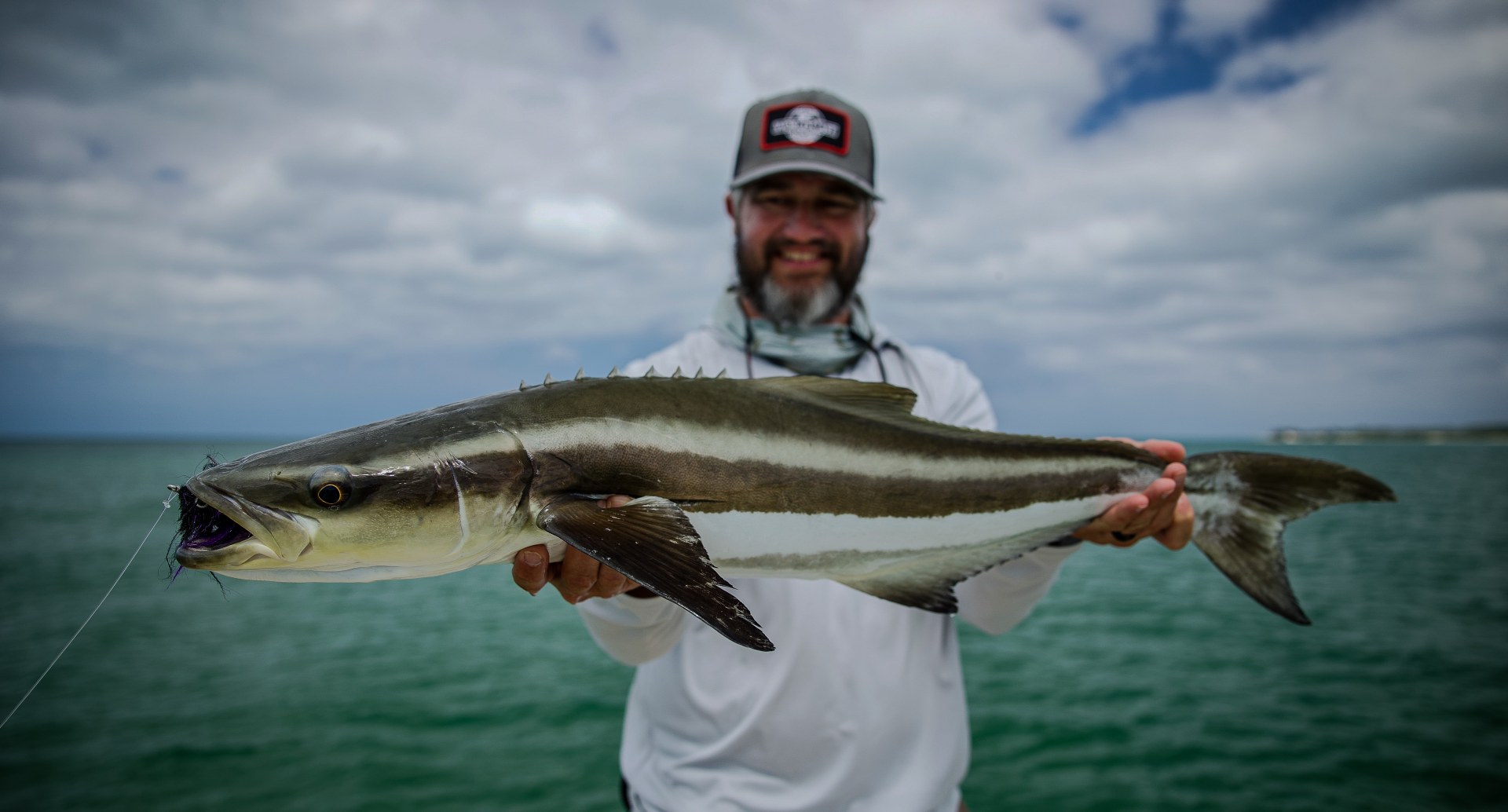
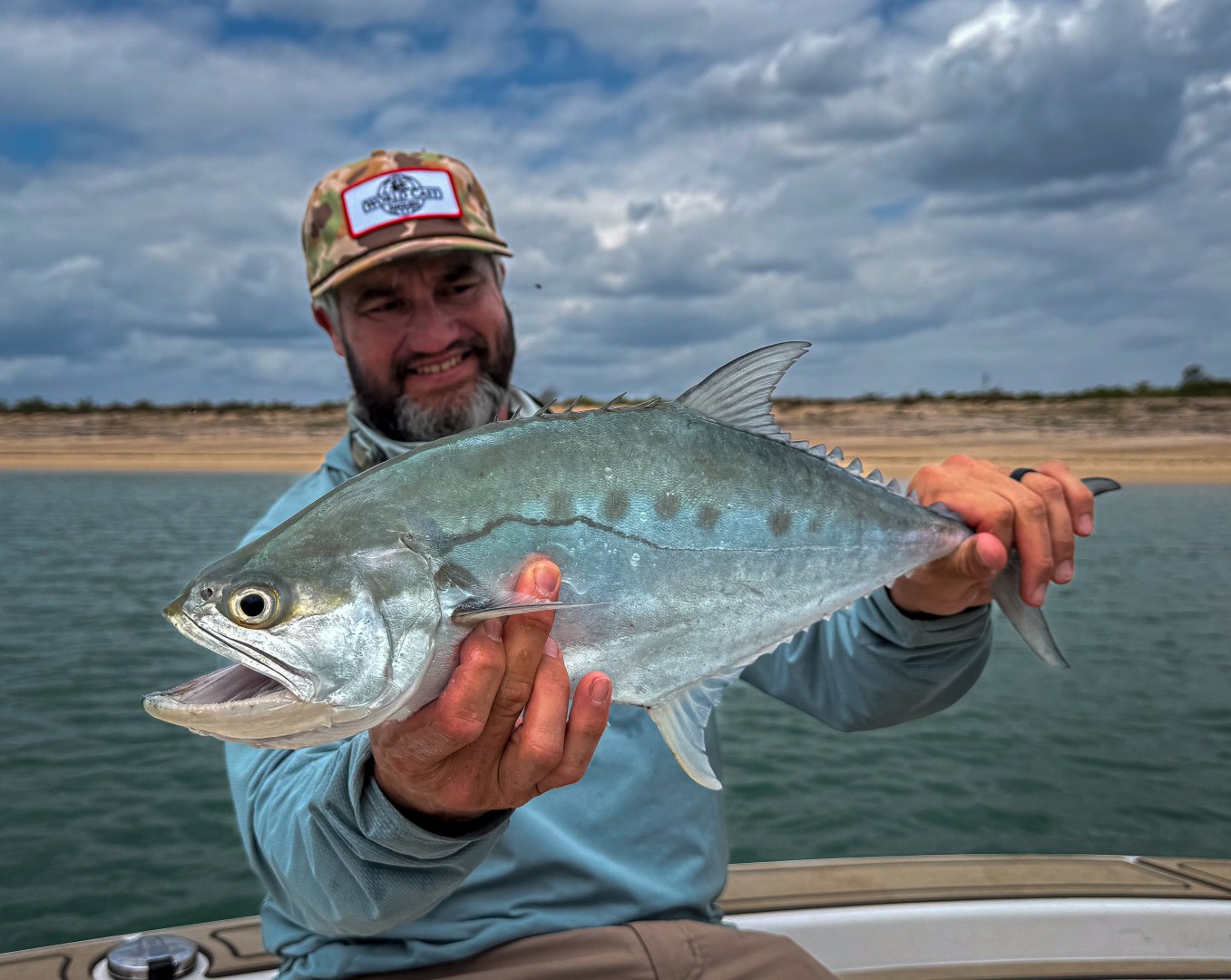
We had heard countless reports from anglers about the incredible diversity of species found throughout Cape York Peninsula. Barramundi thrive in the vast mangrove estuaries and river systems, while the river mouths and rugged coastline create an incredible ecosystem that attracts multiple species of trevally, queenfish, blue bastard, milkfish, tuskfish, and countless other gamefish. Offshore and along the beaches, several species of tuna and mackerel provide explosive inshore action. Every day presents a new challenge.
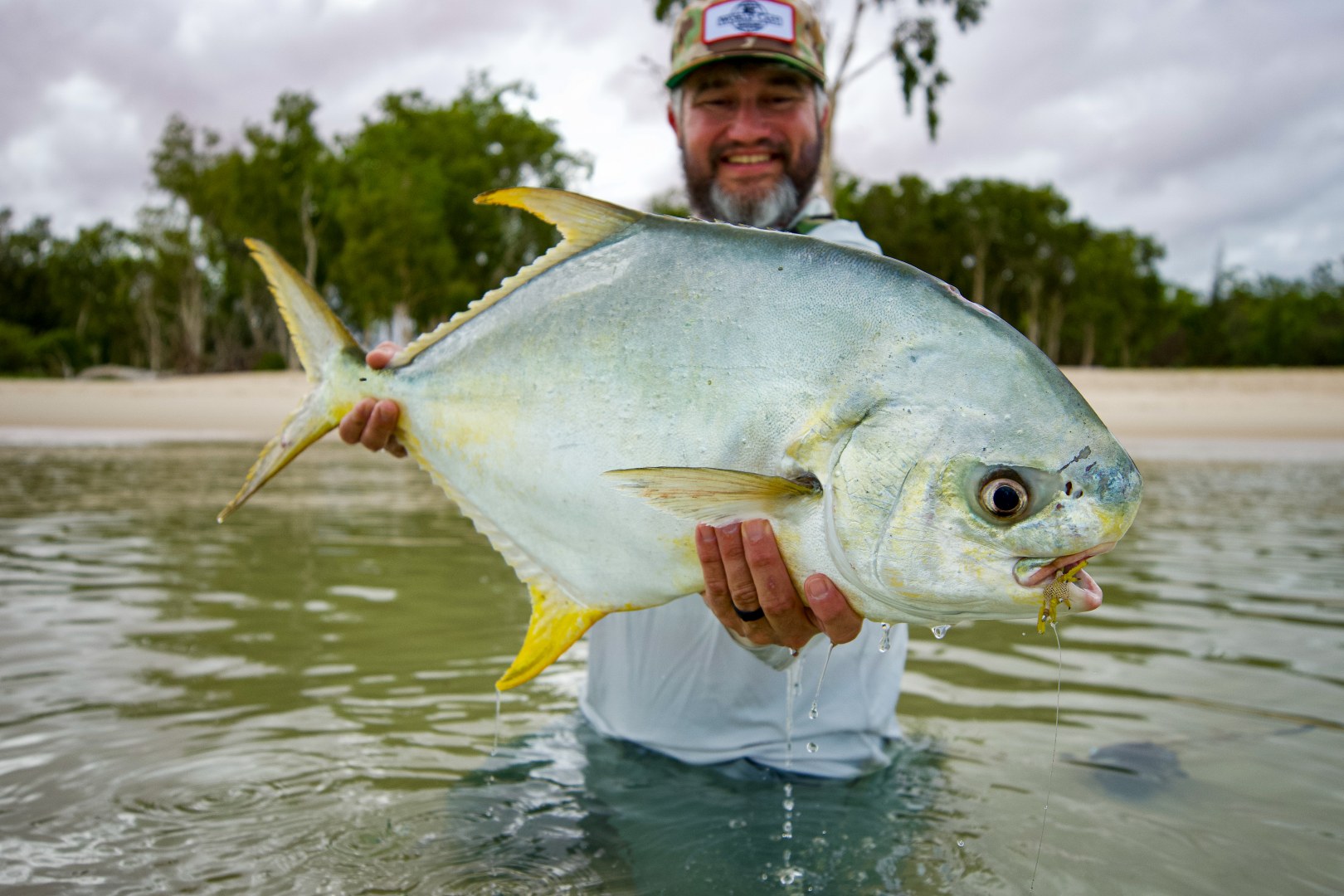
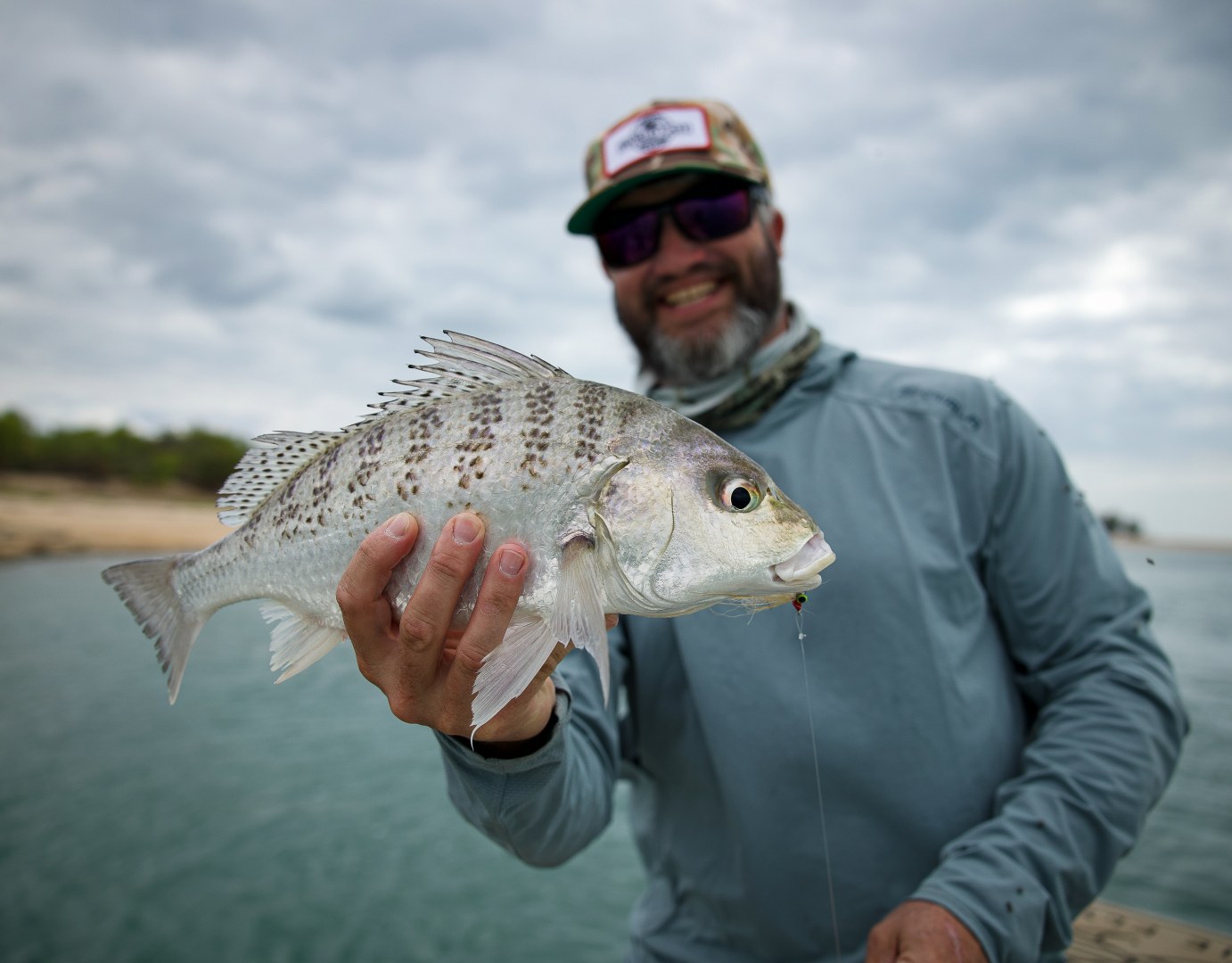
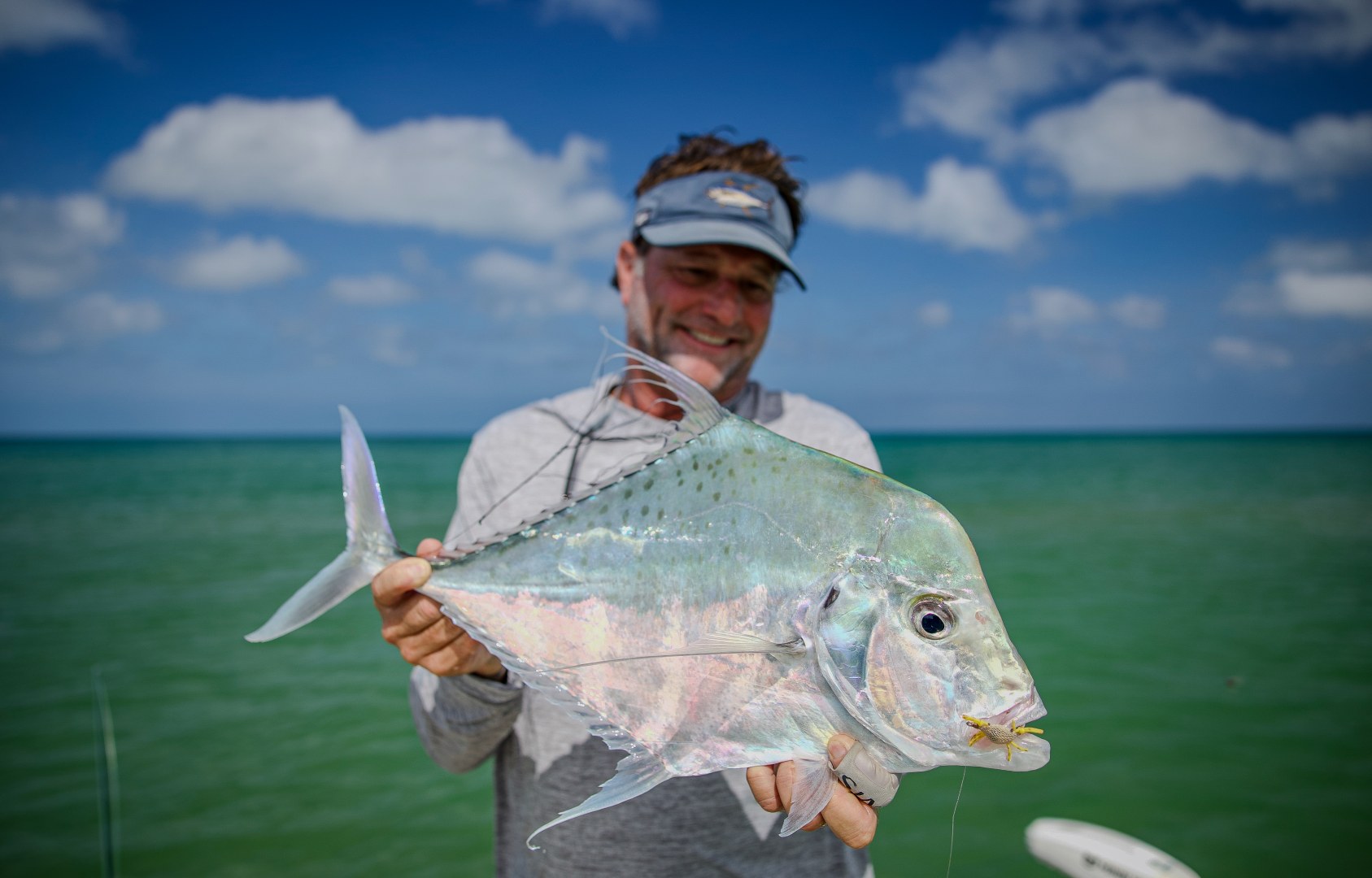
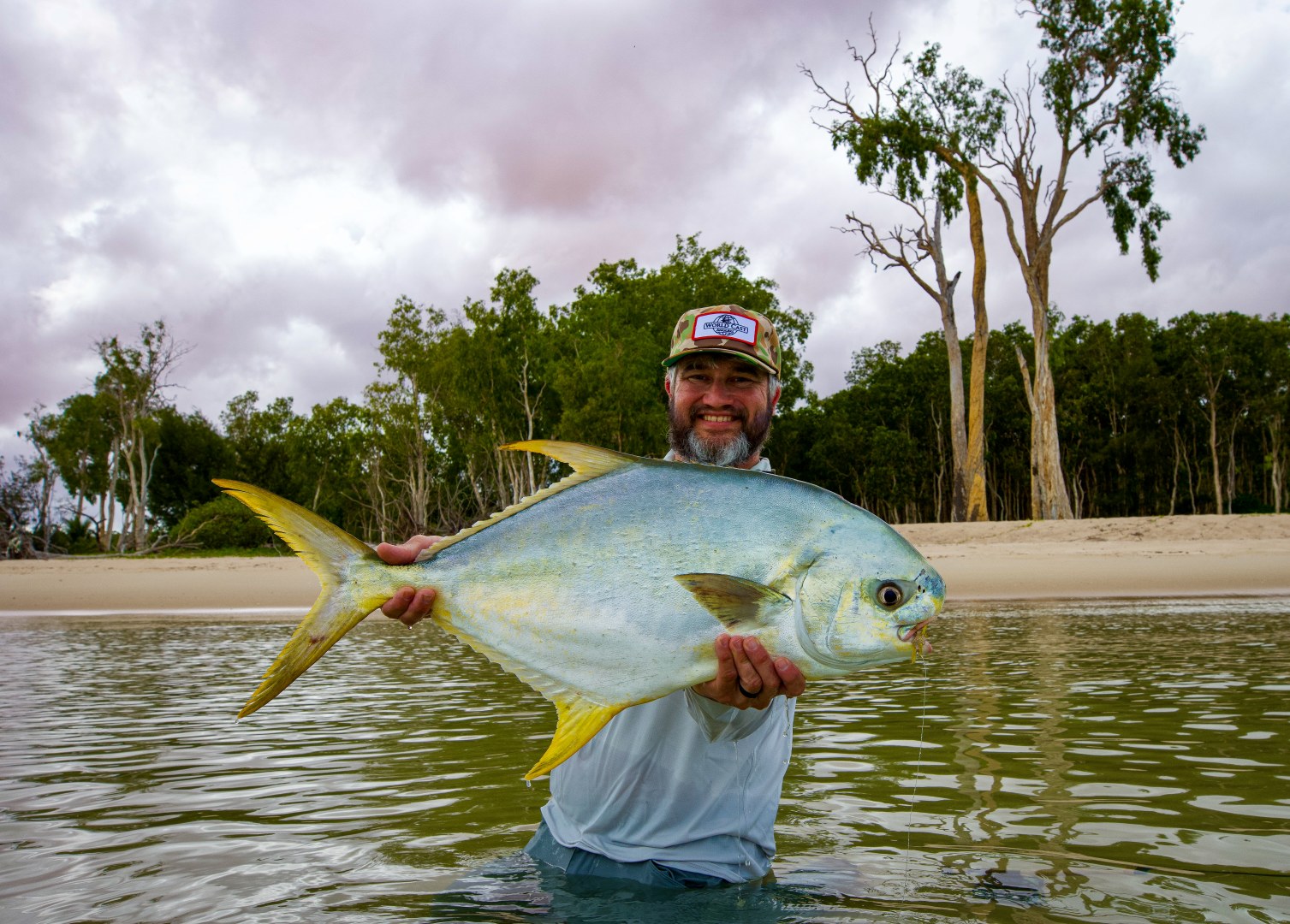
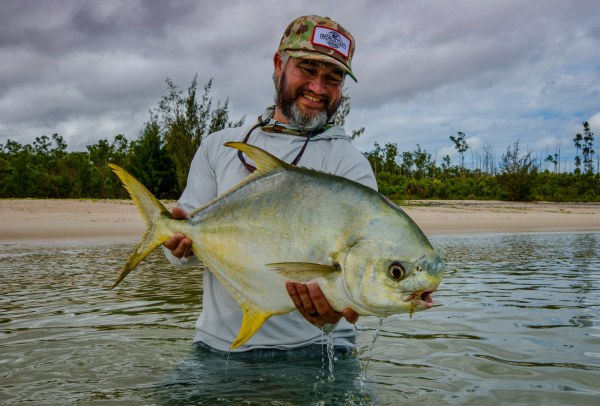
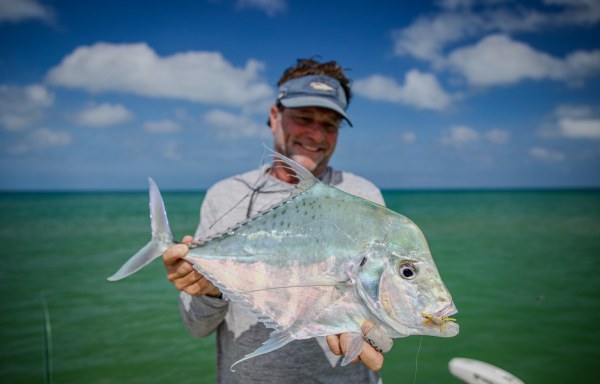
Then there are the flats — the true focus of the Cape York fishery and home to the legendary T.Anak, or “Anak,” permit. These powerful and notoriously selective fish inhabit the deeper tropical flats, reef edges, and tidal sand basins scattered throughout Cape York’s remote coastline. Alongside blue bastard and black-spotted tuskfish, Anak permit provide some of the most technical and rewarding sight-fishing opportunities in saltwater fly fishing.
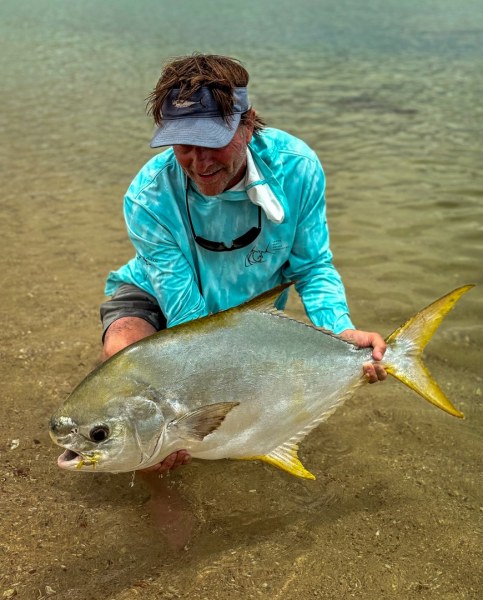
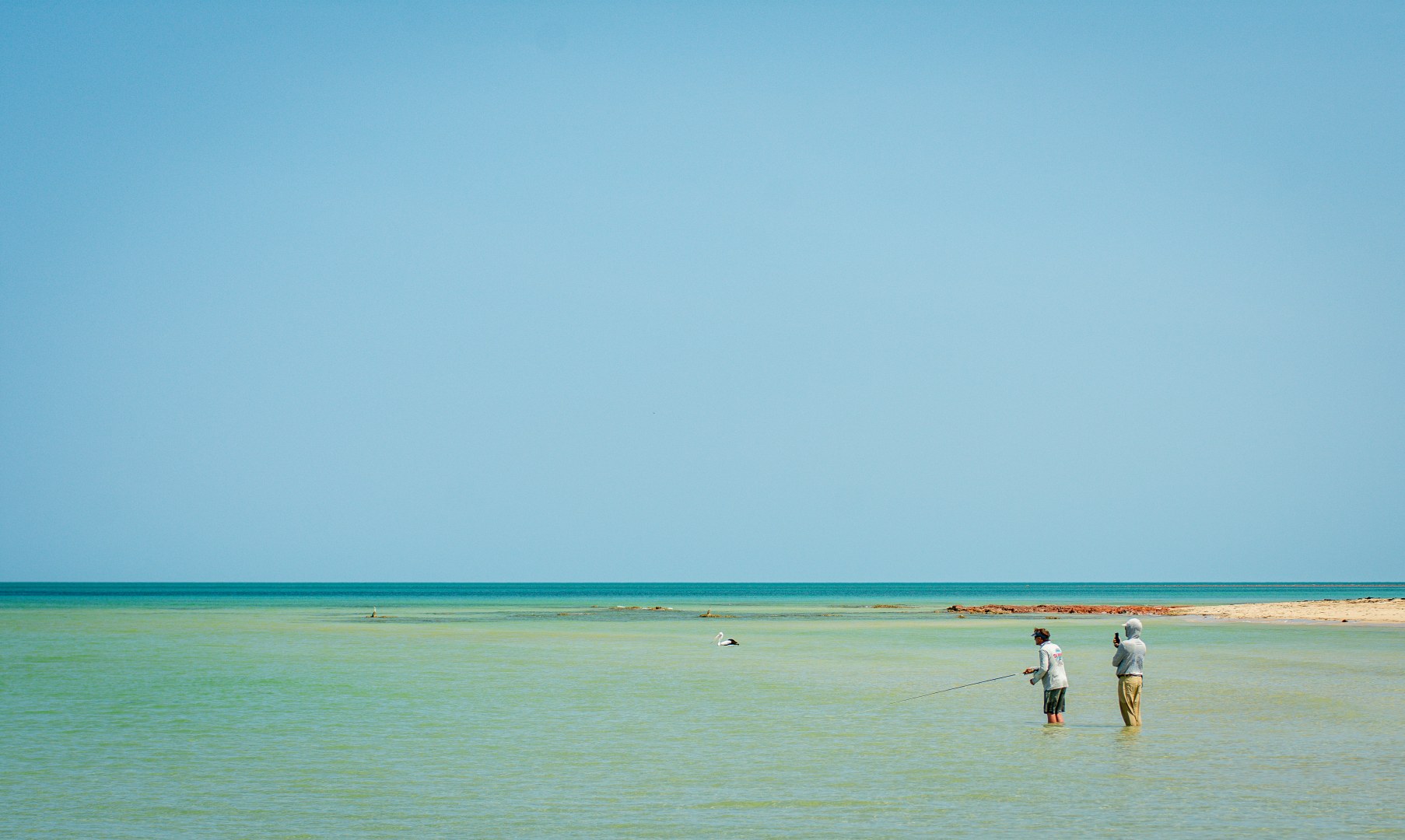
The flats at Cape York Peninsula fish much differently than the shallow, tailing-water scenarios many anglers are accustomed to. Because the water is generally deeper, you spend less time searching for tails or nervous water and more time watching for subtle “moons” or flashes from fish feeding beneath the surface.
To effectively target these fish, the team at Aussie Fly Fisher Cape York Lodge has refined their fly-fishing techniques and tactics specifically for these deeper-dwelling permit and the strong currents common throughout the Cape York region. The Scientific Anglers Titan Tropical/Jungle Clear Tip Fly Line proved to be the perfect setup. This intermediate sinking-tip line allowed us to present heavier-than-average crab patterns effectively while keeping our flies in the strike zone longer.
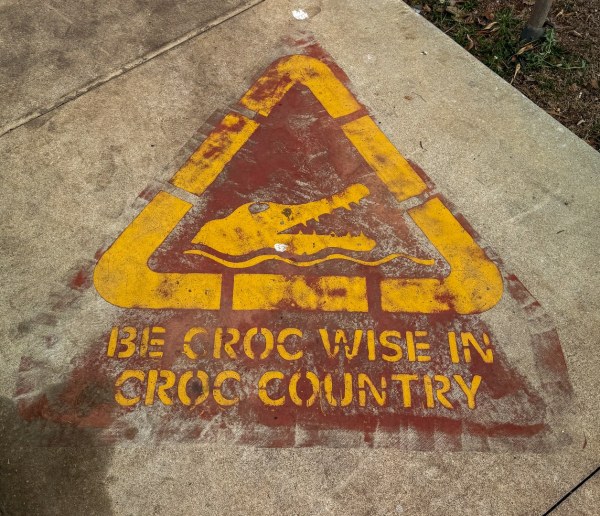
These new techniques and presentations took some getting used to as we shook off the rust from the long travel days and adjusted to the new schedule and time zone. And with the very healthy population of saltwater crocodiles and sharks throughout the region, wading was definitely not recommended — HA!
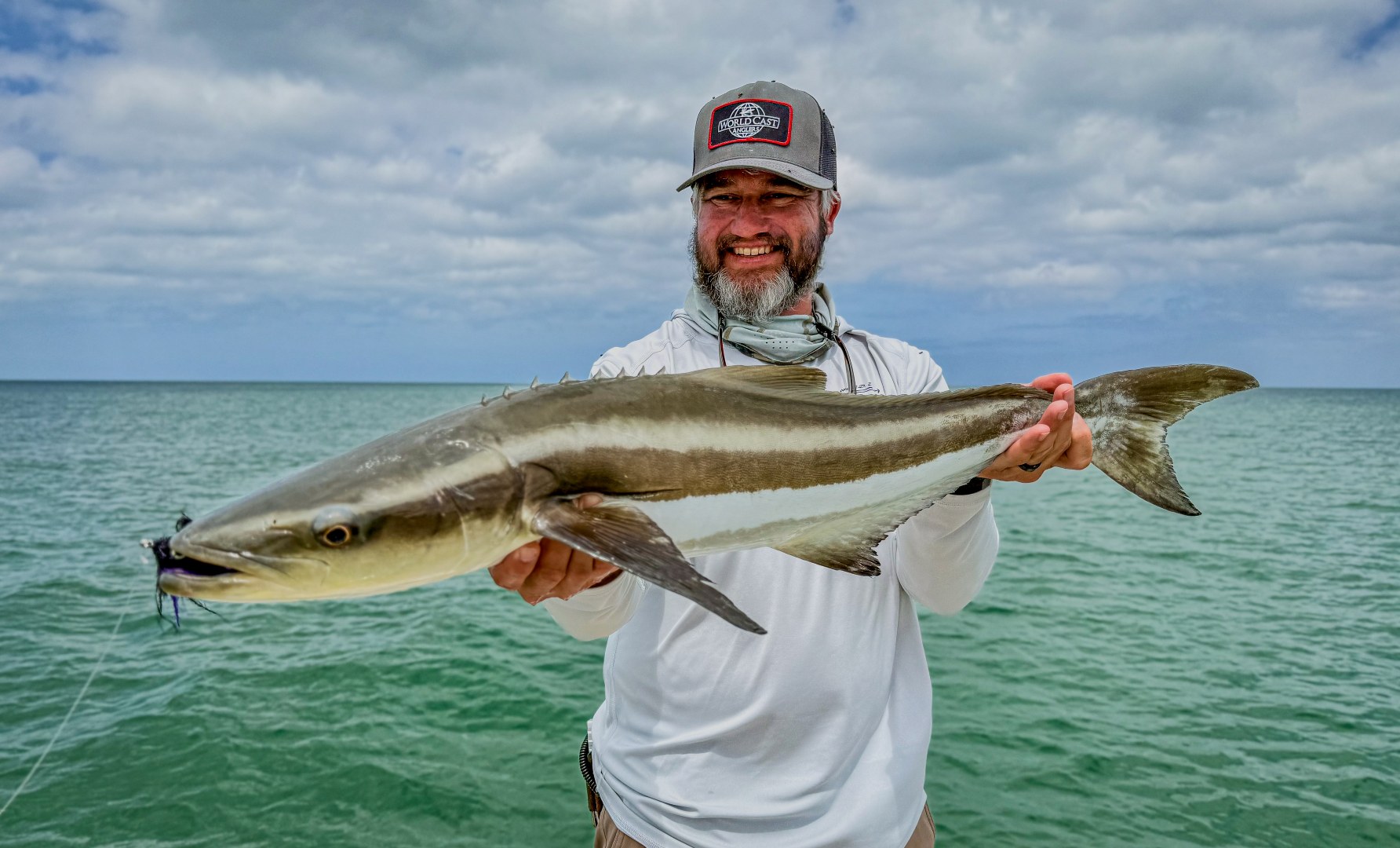
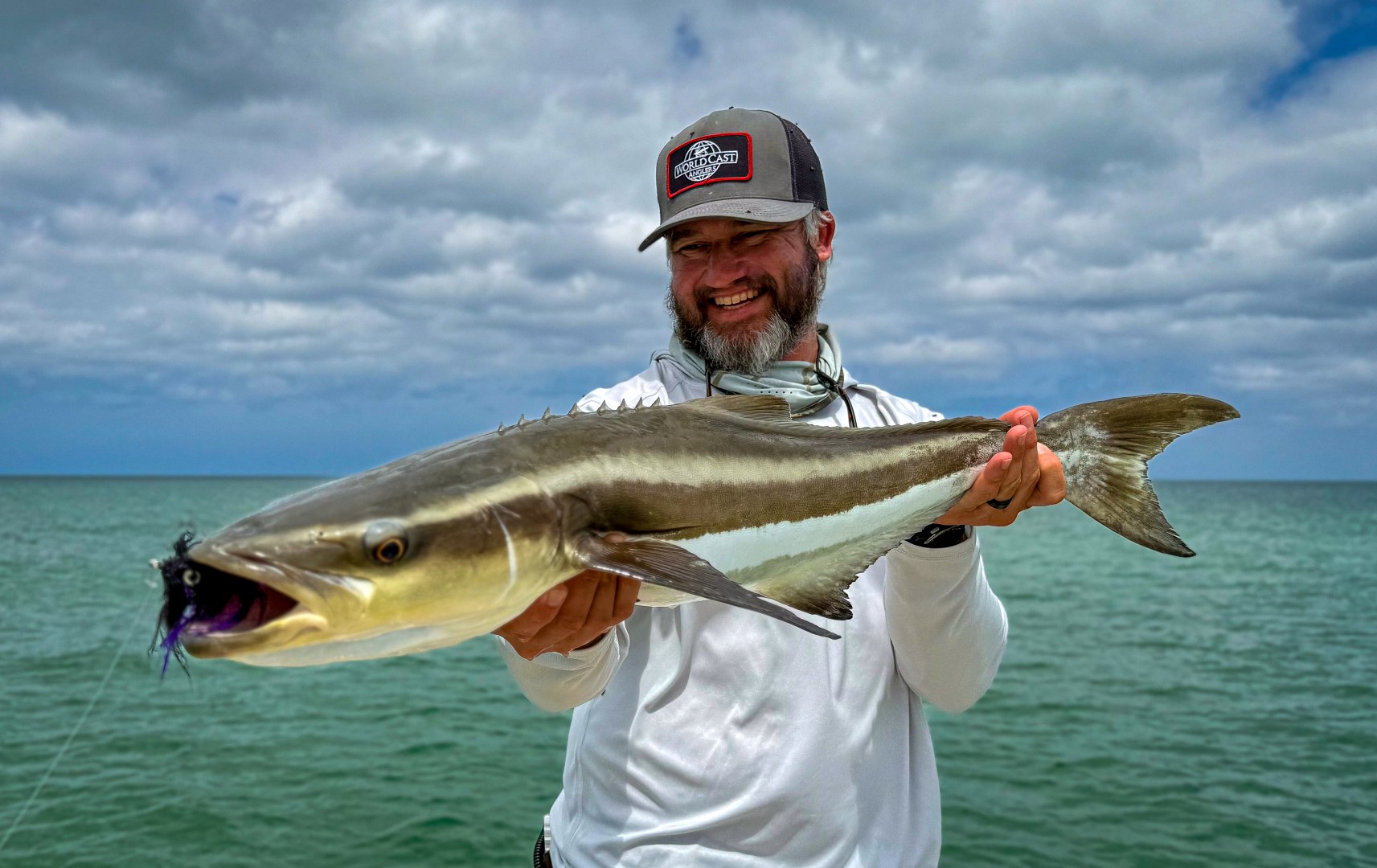
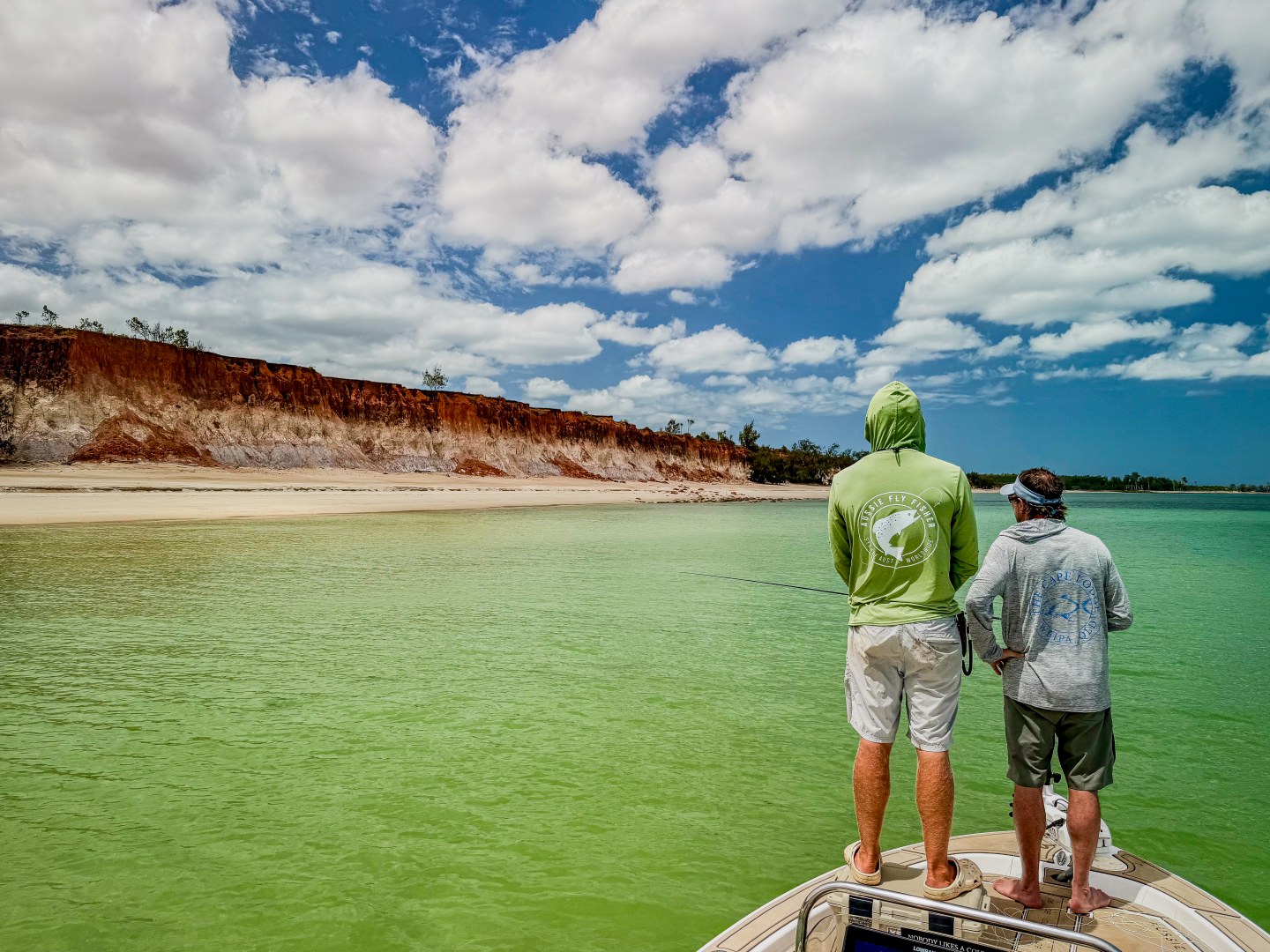
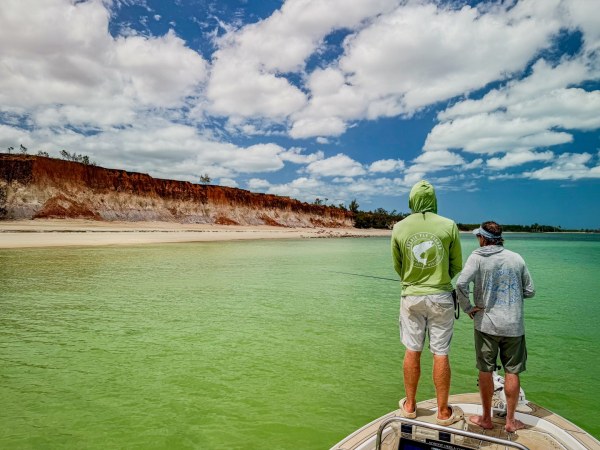
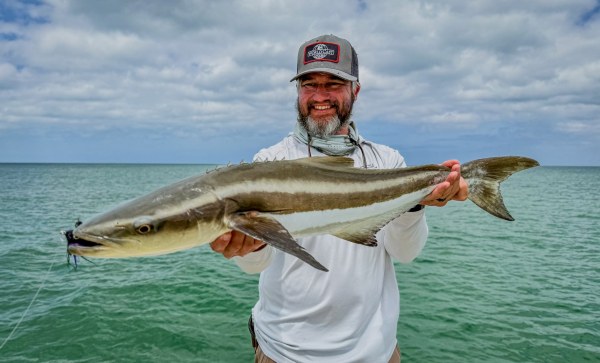
As the sun illuminated the red cliffs of Weipa — coastal escarpments made up of deep red, bauxite-rich earth — the water came alive with activity. Pilot whales breached in the distance while cobia cruised alongside massive rays. Milkfish, trevally, queenfish, sharks, and permit seemed to be everywhere around us.
Most of our previous experience on traditional permit flats involved carefully studying a single fish or subtle movement on the water, but this place was different. Honestly, we weren’t used to seeing so much life on the flats, and at first it felt like sensory overload trying to decide where to begin dissecting everything swimming around us.
As our eyes gradually adjusted to the new environment and target species, we eventually settled into a rhythm of spotting, identifying, and targeting fish.
Our weather upon arrival in Weipa started off perfectly for targeting Anak permit and other Australian flats species. The first few days on the water greeted us with plenty of sun for visibility and variable winds — just enough to create a slight chop without negatively affecting fishing conditions.
High clouds dominated the middle portion of the week and created more challenging sight-fishing conditions. But as the clouds eventually burned off and the winds settled down, our final days on the water were filled with opportunities, resulting in several Anak permit brought successfully to hand and to the boat.
Traveling to Australia requires long hours on airplanes through multiple airports, time zones, and even crossing the international date line. There is no doubt about it — it demands more physical effort and commitment than your typical saltwater fly-fishing trip. The time investment alone may discourage some anglers.
However, the rewards are often stacked heavily in favor of those willing to make the journey. Low-pressure fisheries filled with incredible species diversity and thriving marine life await adventurous anglers ready to explore them. The saltwater fisheries of Australia — many of which are still being discovered and explored — represent one of the last true frontiers in saltwater fly fishing anywhere in the world.
And I can’t wait to get back.
If your interested in fishing for Anak Permit and other saltwater species in Australia please contact WorldCast Anglers for more information. Be sure to stay updated on the WorldCast Anglers Hosted Destination Offerings!
Michael P. Dawkins
WorldCast Anglers President
October 5th – 12th, 2025
Cape Lodge – Aussie Fly Fisher – Weipa, Australia